CoSToM: Causal-oriented Steering for Intrinsic Theory-of-Mind Alignment in Large Language Models
CoSToM: Causal-oriented Steering for Intrinsic Theory-of-Mind Alignment in Large Language Models
CoSToM:面向因果的导向,用于大语言模型中的内在心智理论对齐
Mengfan Li^{1}*, Xuanhua Shi^{1}†, Yang Deng^{2}
^{1}National Engineering Research Center for Big Data Technology and System, Services Computing Technology and System Lab, Cluster and Grid Computing Lab, Huazhong University of Science and Technology
^{2}Singapore Management University
{limf, xhshi}@hust.edu.cn, ydeng@smu.edu.sg
- Work was done during a visit at SMU.
† Corresponding author.
Abstract
摘要
Theory of Mind (ToM), the ability to attribute mental states to others, is a hallmark of social intelligence. While large language models (LLMs) demonstrate promising performance on standard ToM benchmarks, we observe that they often fail to generalize to complex task-specific scenarios, relying heavily on prompt scaffolding to mimic reasoning. The critical misalignment between the internal knowledge and external behavior raises a fundamental question: Do LLMs truly posses intrinsic cognition, and can they externalize this internal knowledge into stable, high-quality behaviors? To answer this, we introduce CoSToM [^1] (Causal-oriented Steering for ToM alignment), a framework that transitions from mechanistic interpretation to active intervention. First, we employ causal tracing to map the internal distribution of ToM features, empirically uncovering the internal layers’ characteristics in encoding fundamental ToM semantics. Building on this insight, we implement a lightweight alignment framework via targeted activation steering within these ToM-critical layers. Experiments demonstrate that CoSToM significantly enhances human-like social reasoning capabilities and downstream dialogue quality.
心智理论(Theory of Mind, ToM)是把心理状态归于他人的能力,也是社会智能的标志。大语言模型(LLM)在标准 ToM 基准上表现可观,但我们观察到,它们往往难以推广到复杂的任务场景,而是严重依赖提示脚手架来模仿推理。内部知识与外部行为之间的这种错位,引出一个根本问题:LLM 是否真正具备内在认知,又能否把这些内部知识外化为稳定、高质量的行为? 为回答这一问题,我们提出 CoSToM[^1](Causal-oriented Steering for ToM alignment,面向因果的 ToM 对齐导向),这是一个从机制解释走向主动干预的框架。我们首先用因果追踪(causal tracing)刻画 ToM 特征在模型内部的分布,从实验上揭示各层在编码基本 ToM 语义时的特点。基于这一观察,我们在这些 ToM 关键层上做有针对性的激活导向,实现一套轻量对齐方法。实验表明,CoSToM 能明显增强类人的社会推理能力,并提高下游对话质量。
1 Introduction
1 引言
Theory of Mind (ToM), the inherent ability to attribute mental states such as beliefs, desires, and intentions to others, stands as a hallmark of human social intelligence Baker et al. (2017); Strachan et al. (2024). It enables individuals to anticipate others’ motives, knowledge states, and reactions, and thus forms the cognitive basis of complex social communication, such as persuasion Wang et al. (); Mishra et al. (2022); Tiwari et al. (2022), negotiation Deng et al. (2023b); Zhan et al. (2024); Kwon et al. (2024); Zhang et al. (2024) and recommendation Li et al. (2026). With the rapid evolution of Large Language Models (LLMs) Deng et al. (2023a); Deng et al. (2024), there is growing optimism that these models may have begun to exhibit ToM-like reasoning capabilities. Such claims have primarily been supported by recent benchmarks that probe LLMs’ ability to interpret mental states under controlled structured scenarios Jin et al. (2024); Shi et al. (2025); Wu et al. (2023); Zhang et al. (2025) or social contexts Yu et al. (2025a); Chen et al. (2024b); Chan et al. (2024).
心智理论(Theory of Mind, ToM)是把信念、欲望和意图这类心理状态归于他人的固有能力,也是人类社会智能的标志 Baker et al. (2017); Strachan et al. (2024)。它使人能够预期他人的动机、知识状态和反应,因而构成说服 Wang et al. (); Mishra et al. (2022); Tiwari et al. (2022)、谈判 Deng et al. (2023b); Zhan et al. (2024); Kwon et al. (2024); Zhang et al. (2024) 和推荐 Li et al. (2026) 等复杂社会交流的认知基础。随着大语言模型(LLM)迅速发展 Deng et al. (2023a); Deng et al. (2024),人们越来越乐观地认为,这些模型可能已经开始表现出类似 ToM 的推理能力。这类主张主要得到近期基准的支持:它们在受控的结构化场景 Jin et al. (2024); Shi et al. (2025); Wu et al. (2023); Zhang et al. (2025) 或社交语境 Yu et al. (2025a); Chen et al. (2024b); Chan et al. (2024) 中,探测 LLM 解释心理状态的能力。
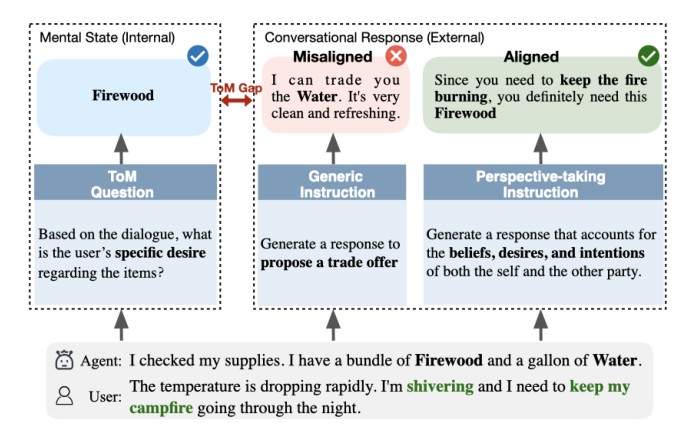
Figure 1: A negotiation scenario illustrating the gap between ToM inference and ToM-aligned behavior in LLMs. (Left) The model correctly infers the user’s desire for firewood. (Middle) Under a generic task instruction, the model fails to apply this inferred mental state, producing an incoherent offer (i.e., water). (Right) When explicitly prompted to consider mental states, the model generates a contextually appropriate response.
图 1:一个谈判场景,用来说明大语言模型中 ToM 推断与 ToM 对齐行为之间的差距。(左) 模型正确推断出用户想要 柴火。(中) 在一般任务指令下,模型未能把这一推断出的心理状态用起来,给出了不连贯的报价(即 水)。(右) 当被明确提示去考虑心理状态时,模型生成了符合语境的回复。
However, a critical gap remains between these promising observations and the reliability of the underlying mechanisms. Although LLMs can infer human intentions to some extent, recent studies Bortoletto et al. (2024); Ma et al. (2023); Jin et al. (2024); Shi et al. (2025) reveal that they fail to generalize to task-specific scenarios with genuine ToM reasoning. As illustrated in Figure 1 (Left vs. Middle), a critical misalignment exists between internal knowledge and external behavior: even when LLMs correctly answer ToM questions, their dialogue agents may still fail to negotiate effectively. Moreover, observed ToM-like behaviors often depend on carefully engineered prompts that scaffold perspective-taking Li et al. (2023); Jung et al. (); Sarangi et al. (2025); Chen et al. (); Hou et al. (2024). As shown in Figure 1 (Middle vs. Right), once the explicit instruction to “infer and respond” replaced by a generic command, the model fails to ground its response in the mental states it implicitly encodes, reverting to incoherent generation. This suggests that current ToM-like behaviors may not reflect stable, intrinsic cognition, but instead ad hoc simulations triggered by instruction.
然而,这些可观的观察与底层机制是否可靠之间,仍有一条关键裂缝。尽管 LLM 在一定程度上能够推断人的意图,近期研究 Bortoletto et al. (2024); Ma et al. (2023); Jin et al. (2024); Shi et al. (2025) 表明,它们难以带着真正的 ToM 推理推广到具体任务场景。如图 1(左对中)所示,内部知识与外部行为之间存在明显错位:即使 LLM 能正确回答 ToM 问题,其对话智能体仍可能谈不拢。此外,观察到的类 ToM 行为,往往依赖精心设计的提示来搭起换位思考的脚手架 Li et al. (2023); Jung et al. (); Sarangi et al. (2025); Chen et al. (); Hou et al. (2024)。如图 1(中对右)所示,一旦把“先推断再回应”的显式指令换成一般命令,模型就无法把自己隐含编码的心理状态落到回复上,重新变得不连贯。这说明,当前的类 ToM 行为未必反映稳定的内在认知,而更像是由指令触发的临时模拟。
Inspired by recent advances in mechanistic interpretability Pan et al. (2024); Aljaafari et al. (2025); Yang et al. (2023); Chen et al. (2024a); Huben et al. (2024), we move beyond black-box prompt engineering and surface-level behavioral observation. We aim to uncover the intrinsic nature of social reasoning in LLMs, specifically investigating whether LLMs possess ToM-grounded social reasoning, how they are internally represented, and whether this internal knowledge can be effectively translated into stable, high-quality behaviors. Our investigation proceeds in three stages.
受近期机制可解释性进展的启发 Pan et al. (2024); Aljaafari et al. (2025); Yang et al. (2023); Chen et al. (2024a); Huben et al. (2024),我们不再停留于黑盒式提示工程和表层行为观察。我们希望弄清 LLM 中社会推理的内在性质,具体考察:LLM 是否具备以 ToM 为根基的社会推理、这些能力如何在内部表征,以及这些内部知识能否有效转化成稳定、高质量的行为。研究分三个阶段进行。
First, we seek to interpret the ToM reasoning capability within LLMs. We analyze activation patterns using causal tracing to identify whether ToM-specific features exist and locate where they reside within the model stack. This leads to our first research question: (RQ1) In which layers does ToM-related information emerge and persist?
首先,我们试图解释 LLM 内部的 ToM 推理能力。我们用因果追踪分析激活模式,判断是否存在 ToM 特有特征,以及它们位于模型堆栈的何处。由此得到第一个研究问题:(RQ1)ToM 相关信息在哪些层出现,又在哪些层得以保持?
Second, identifying where ToM features exist offers a foundation for intervention. We examine whether steering internal activations can modulate the model’s ToM reasoning capabilities, moving from observation to control: (RQ2) To what extent can internal representations be leveraged to steer and improve ToM reasoning?
其次,找到 ToM 特征所在的位置,就为干预打下了基础。我们考察导向内部激活能否调节模型的 ToM 推理能力,从而从观察走向控制:(RQ2)内部表征能在多大程度上被用来导向并改进 ToM 推理?
Finally, improvements on ToM benchmarks do not necessarily translate to better ToM-aligned behavior in downstream tasks. As inferring mental states is fundamental to predicting socially appropriate continuations Yang et al. (2024); Cheng et al. (2024), genuine ToM alignment of LLMs should exhibit enhanced conversational performance. We therefore examine the downstream impact directly: (RQ3) Can manipulating these internal representations of LLMs effectively enhance response quality in dialogue tasks?
最后,ToM 基准上的提高,并不必然带来下游任务中更好的 ToM 对齐行为。推断心理状态是预测合乎社交的后续话语的基础 Yang et al. (2024); Cheng et al. (2024),真正的 ToM 对齐应当体现为更好的对话表现。因此我们直接考察下游影响:(RQ3)操纵这些内部表征,能否有效提高对话任务中的回复质量?
To address these research questions, we introduce a novel and comprehensive framework for Causal-oriented Steering of ToM alignment in LLMs, named CoSToM. This framework aims to intrinsically align LLMs with ToM-like social reasoning by moving from interpretation to intervention. Specifically, CoSToM operates in two stages: it first identifies ToM-sensitive layers through causal tracing, and then steers these layers using activation manipulation. Given the dialogue history as input, causal tracing interprets the context encoder’s activations by probing them with ToM-focused questions, while activation steering supervises and adjusts these activations to better align the model’s internal representations with ToM-related features.
为回答这些问题,我们提出一套面向因果的 ToM 对齐导向框架,命名为 CoSToM,即 Causal-oriented Steering of ToM alignment。该框架希望通过从解释走向干预,使 LLM 在内在层面与类 ToM 的社会推理对齐。具体来说,CoSToM 分两步:先用因果追踪找出对 ToM 敏感的层,再用激活干预对这些层做导向。以对话历史为输入,因果追踪用面向 ToM 的问题去探测语境编码器的激活,从而解释这些激活;激活导向则监督并调整这些激活,使模型的内部表征更好地对齐 ToM 相关特征。
Our contributions are as follows:
我们的贡献如下:
- ToM Interpretation: We systematically trace ToM-related features across layer-wise activations in LLMs, revealing that these features are predominantly encoded in early layers of LLMs.
- ToM 解释: 我们系统追踪了 LLM 各层激活中的 ToM 相关特征,发现这些特征主要编码在模型的浅层。
- Efficient and Lightweight ToM Intervention: We propose CoSToM, a lightweight alignment framework that induces stable, human-like social reasoning via targeted activation steering, requiring updates to only a small subset of parameters in the identified ToM-critical layers.
- 高效、轻量的 ToM 干预: 我们提出 CoSToM,这是一套轻量对齐框架,通过对 ToM 关键层做有针对性的激活导向,诱发出稳定、类人的社会推理,只需更新所识别关键层中的一小部分参数。
- Enhancement on Dialogue Tasks: Experiments on negotiation and persuasion dialogues demonstrate that internal ToM alignment via CoSToM leads to substantial improvements in dialogue quality. Notably, CoSToM functions as a plug-and-play module that generalizes effectively across diverse social interaction tasks.[^2]
- 对话任务上的提升: 在谈判和说服对话上的实验表明,经由 CoSToM 完成的内部 ToM 对齐,能实质提高对话质量。值得注意的是,CoSToM 可作为 即插即用 模块,较好地推广到多样的社交互动任务。[^2]
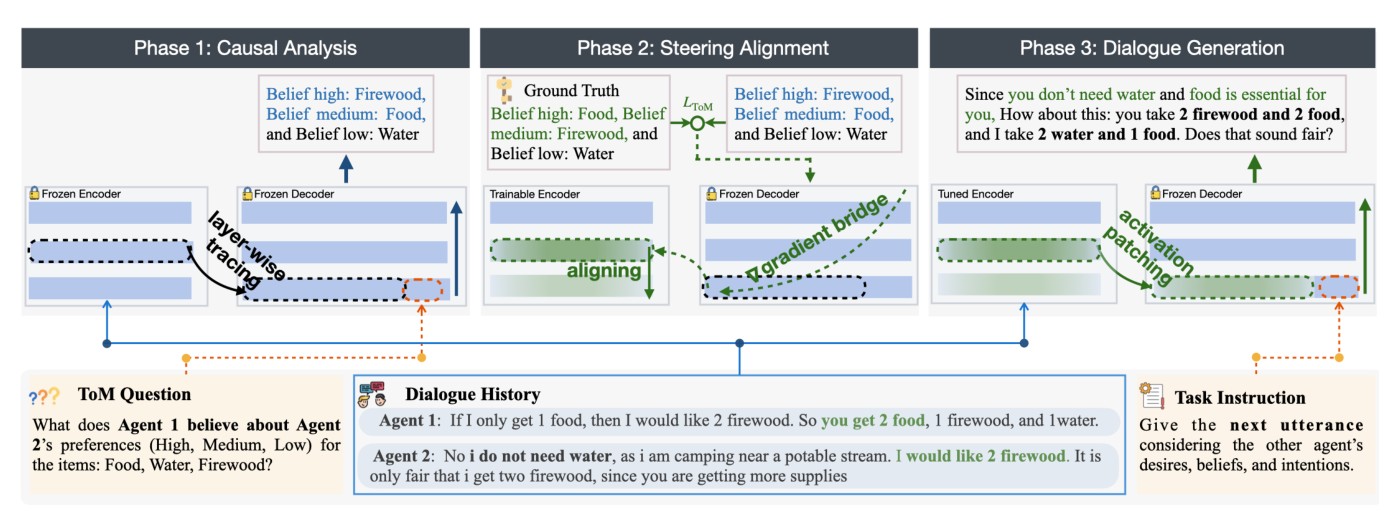
Figure 2: The overview of the CoSToM framework.
图 2:CoSToM 框架总览。
2 Related Work
2 相关工作
ToM in LLMs
Recent work on ToM in LLMs has focused on evaluating and enhancing their ability to infer mental states such as beliefs and intentions, often using benchmarks adapted from classical psychological tests Shi et al. (2025); Jin et al. (2024); Xu et al. (2024). To address observed performance limitations, existing approaches primarily adopt either prompt-based scaffolding, which elicits ToM reasoning through carefully engineered instructions Wilf et al. (2024); Jung et al. (); Sarangi et al. (2025); Chen et al. (); Hou et al. (2024); Sclar et al. (), or neuro-symbolic and Bayesian frameworks that integrate LLMs with explicit cognitive models for mental-state inference Chandra et al. (2023); Miao et al. (2022); Baker et al. (2017); Jin et al. (2024); Shi et al. (2025); Zhang et al. (2025). While effective in structured settings, these methods rely on external scaffolding and offer limited insight into or control over ToM representations inside LLMs.
LLM 中的 ToM
近期关于 LLM 中 ToM 的工作,主要关注评估并增强模型推断信念、意图等心理状态的能力,所用基准往往改编自经典心理测验 Shi et al. (2025); Jin et al. (2024); Xu et al. (2024)。为应对观察到的表现局限,现有方法大致走两条路:一是基于提示的脚手架,通过精心设计的指令引出 ToM 推理 Wilf et al. (2024); Jung et al. (); Sarangi et al. (2025); Chen et al. (); Hou et al. (2024); Sclar et al. ();二是神经符号与贝叶斯框架,把 LLM 与显式的认知模型结合起来做心理状态推断 Chandra et al. (2023); Miao et al. (2022); Baker et al. (2017); Jin et al. (2024); Shi et al. (2025); Zhang et al. (2025)。这些方法在结构化设定中有效,但依赖外部脚手架,对 LLM 内部的 ToM 表征既缺少洞察,也缺少控制。
ToM in Dialogue Agents
Beyond static benchmarks (e.g., Sally–Anne tests), recent work has increasingly evaluated ToM within dynamic dialogue settings, where agents must maintain contextually appropriate and socially sensitive interactions, such as persuasion Yu et al. (2025b), negotiation Chan et al. (2024), education Saha et al. (2023), stress testing Kim et al. (2023), and recommendation Li et al. (2026). To improve performance in these settings, several approaches aim to align dialogue responses with inferred internal mental states Sicilia and Alikhani (2025); Jafari et al. (2025); Qiu et al. (2024). For example, MindDial Qiu et al. (2024) explicitly tracks beliefs to guide response generation, while Jafari et al. (2025) enforce logical consistency by refining ToM-related decoders. However, bridging the gap between ToM reasoning and dialogue generation remain challenging. Appending inferred mental states as text can propagate errors, while fine-tuning on ToM QA tasks often fails to translate improved reasoning into socially aligned dialogue due to task misalignment. In contrast, CoSToM bypassed the uncertainty, directly transplanting the causal reasoning activations into the decoder to drive the dialogue generation.
对话智能体中的 ToM
在静态基准(例如 Sally–Anne 测验)之外,近期工作越来越多地在动态对话中评估 ToM。此时智能体必须维持合乎语境、对社会线索敏感的互动,例如说服 Yu et al. (2025b)、谈判 Chan et al. (2024)、教育 Saha et al. (2023)、压力测试 Kim et al. (2023) 和推荐 Li et al. (2026)。为提高这些场景中的表现,已有若干方法试图让对话回复与推断出的内部心理状态对齐 Sicilia and Alikhani (2025); Jafari et al. (2025); Qiu et al. (2024)。例如,MindDial Qiu et al. (2024) 显式追踪信念以指导回复生成,而 Jafari et al. (2025) 则通过对与 ToM 相关的解码器做精细调整,来强制逻辑一致。不过,弥合 ToM 推理与对话生成之间的差距仍然困难。把推断出的心理状态作为文本追加,可能把错误传下去;在 ToM 问答任务上微调,又常因任务错位,无法把更好的推理转成社会对齐的对话。相比之下,CoSToM 绕开了这一不确定性,把因果推理激活直接移植到解码器,用以驱动对话生成。
Mechanistic Interpretability in LLMs
Mechanistic interpretability Zhao et al. (2024a); Singh et al. (2024) seeks to reverse engineer the “black box” of neural networks by uncovering how high-level concepts are encoded in latent representations Zhao et al. (2024c); Zhao et al. (2024b); Zhao et al. (2025); Deng et al. (2025); Azaria and Mitchell (2023). Recent work has further developed causal and intervention-based tools for analyzing internal model states, including causal mediation analysis for explaining model behavior Stolfo et al. (2023); Cheng et al. (2022); Tian et al. (2024); Cheang et al. (2025) and activation-level methods for locating or manipulating encoded information, such as activation patching, linear representation analysis, and factual model editing Dumas et al. (2025); Tigges et al. (2024); Meng et al. (2022). Despite these advances, mechanistic analyses of machine ToM remain underexplored, and even existing studies are primarily diagnostic, focusing on where information is encoded or how it contributes to model predictions. By contrast, our work applies causal tracing not only to interpret ToM-relevant representations, but also to steer them, enabling direct and effective improvement of ToM reasoning.
LLM 中的机制可解释性
机制可解释性 Zhao et al. (2024a); Singh et al. (2024) 试图通过揭示高层概念如何编码在潜在表征中,来逆向工程神经网络这个“黑盒” Zhao et al. (2024c); Zhao et al. (2024b); Zhao et al. (2025); Deng et al. (2025); Azaria and Mitchell (2023)。近期工作进一步发展了基于因果和干预的内部状态分析工具,包括用于解释模型行为的因果中介分析 Stolfo et al. (2023); Cheng et al. (2022); Tian et al. (2024); Cheang et al. (2025),以及在激活层面定位或操纵已编码信息的方法,例如激活修补、线性表征分析和事实编辑 Dumas et al. (2025); Tigges et al. (2024); Meng et al. (2022)。尽管有这些进展,对机器 ToM 的机制分析仍然不足;即便已有研究,也多半是诊断性的,关注信息编码在何处、又如何贡献于模型预测。与之不同,我们不仅用因果追踪来解释与 ToM 相关的表征,还对它们做导向,从而直接、有效地改进 ToM 推理。
3 Methodology
3 方法
The overview of the CoSToM framework is illustrated in Figure 2. This section is structured around our research questions, with each subsection detailing the corresponding methodological approach.
CoSToM 框架的总览见图 2。本节按研究问题组织,各小节说明相应的方法。
3.1 Interpreting ToM: Locating ToM Representations via Causal Tracing
3.1 解释 ToM:用因果追踪定位 ToM 表征
The first phase of CoSToM aims to identify whether and where ToM capabilities are instantiated within the model. We hypothesize that if an LLM genuinely understands a social scenario, the mental states of the agent, specifically belief, desire, and intention (BDI), must be encoded in its internal activations. To verify this, we employ the causal tracing to “read" these implicit mental states from the model.
CoSToM 的第一阶段,旨在判断 ToM 能力是否、以及在何处实例化于模型之中。我们假设:如果 LLM 真正理解某个社交场景,智能体的心理状态,具体而言是信念、欲望和意图(BDI),就必然编码在其内部激活中。为验证这一点,我们用 因果追踪 从模型中“读出”这些隐含的心理状态。
Given a dialogue history and a target LLM with multiple layers, we extract the hidden activation at a specific layer while the model processes , denoted as . Intuitively, if contains ToM-related information, it should be possible to decode the corresponding mental state directly from the activation. Operationally, we instantiate two copies of the same LLM: a context encoder and a probe decoder. The encoder processes the dialogue history and produces intermediate activations. We then inject the frozen activation from layer of the encoder into the decoder, which is tasked with answering a ToM-focused question (e.g., inferring an agent’s belief). The decoder’s output is given by
给定对话历史 和一个多层目标 LLM,我们在模型处理 时提取特定层 的隐藏激活,记为 。直观上,如果 含有与 ToM 相关的信息,就应当能直接从该激活中解码出相应的心理状态。操作上,我们实例化同一 LLM 的两份拷贝:一份作 语境编码器,一份作 探测解码器。编码器处理对话历史并产生中间激活。随后,我们把编码器第 层冻结的激活 注入解码器,让解码器回答一个面向 ToM 的问题 (例如 推断某个智能体的信念)。解码器的输出为
By evaluating the decoder’s accuracy in answering ToM-related questions based solely on these patched activations, we empirically determine which layers contain the necessary information to reconstruct the agents’ mental states.
通过评估解码器仅凭这些被修补的激活回答 ToM 相关问题的准确率,我们从实验上判断哪些层包含重建智能体心理状态所需的信息。
3.2 Steering ToM: Aligning Mental States via Activation Intervention
3.2 导向 ToM:用激活干预对齐心理状态
Building upon the identification of ToM-sensitive layers, we next examine whether directly steering internal activations can modulate ToM reasoning capabilities. To this end, we move beyond passive interpretation toward active alignment. While causal tracing reveals where the information resides, steering alignment focuses on how to refine these representations. Our core intuition is to leverage the frozen probe decoder as a differentiable verifier to steer the context encoder’s latent representations towards accurate social reasoning.
在识别出对 ToM 敏感的层之后,我们接着考察直接导向内部激活能否调节 ToM 推理能力。为此,我们从被动解释走向主动对齐。因果追踪揭示的是信息 在哪里,导向对齐则关注 如何 改进这些表征。我们的核心直觉是:把冻结的探测解码器用作 可微分的校验器,把语境编码器的潜在表征导向准确的社会推理。
Steering Objective
We formulate a supervised steering objective that explicitly aligns internal activations with ground-truth mental states. Specifically, we employ the same dual-model setup, where the decoder receives the patched activations from the encoder and is prompted with specific ToM questions (e.g., For each agent, what are their desires (High, Medium, Low) for the items: food, water, and firewood?). By comparing the probability distribution generated by the decoder against the ground-truth BDI labels , we calculate a standard cross-entropy loss:
导向目标
我们构造一个有监督的导向目标,显式地把内部激活与真实心理状态对齐。具体而言,我们沿用同一套双模型设定:解码器接收来自编码器的修补激活,并被提示回答特定的 ToM 问题(例如,对每个智能体,他们分别对食物、水和柴火的欲望是高、中还是低?)。把解码器给出的概率分布与真实 BDI 标签 比较,我们计算标准交叉熵损失:
Gradient Bridge Mechanism
We backpropagate the calculated loss through the network. Distinct from standard fine-tuning, CoSToM establishes a gradient bridge via the activation space. Crucially, although the decoder is kept frozen, it functions as a transparent conduit: gradients derived from the output loss traverse backwards through the decoder, cross the patched activation interface, and flow upstream into the context encoder. Since the activations are intercepted at a specific layer , the gradients propagate backwards only through the layers preceding this interface (Layers to ). Consequently, only the LoRA adapters installed in these shallow layers are updated, while the deeper layers of the encoder remain frozen and computationally uninvolved. By doing so, we effectively “steer” the encoder to spontaneously generate ToM-enriched representations with minimal parameter updates.
梯度桥机制
我们将算得的损失 沿网络反向传播。与标准微调不同,CoSToM 通过激活空间建立起一座 梯度桥。关键在于,尽管解码器保持冻结,它仍是一条透明通道:由输出损失得到的梯度,会反向穿过解码器,越过被修补的激活接口,再向上游流入语境编码器。由于激活是在特定层 被截取的,梯度 只 沿该接口之前的层反向传播(第 层到第 层)。因此,只有装在这些浅层上的 LoRA 适配器会被更新,编码器更深的层保持冻结,也不参与计算。这样一来,我们只需极少的参数更新,就能“导向”编码器自发产生富含 ToM 的表征。
Efficiency and Scalability
Although the dual-model architecture requires simultaneous loading of the context encoder and the probe decoder, the memory footprint remains linear () relative to the base model size. Furthermore, since CoSToM utilizes Parameter-Efficient Fine-Tuning (PEFT) to update only a sparse set of LoRA adapters in the identified ToM-critical layers, the number of trainable parameters is significantly lower than that of full-layer fine-tuning. And this architecture is inherently compatible with standard distributed training strategies (e.g., FSDP or ZeRO-3), allowing the footprint to be sharded across GPU nodes. This ensures that our framework can be seamlessly extended to large-scale models without encountering theoretical or engineering bottlenecks.
效率与可扩展性
虽然双模型架构需要同时加载语境编码器和探测解码器,内存占用相对基座模型规模仍是线性的()。此外,CoSToM 采用参数高效微调(PEFT),只更新所识别 ToM 关键层中稀疏的一组 LoRA 适配器,可训练参数量显著少于全层微调。该架构也天然兼容常见的分布式训练策略(例如 FSDP 或 ZeRO-3),可以把 的占用切分到各 GPU 节点上。这样,我们的框架可以顺利扩展到更大规模的模型,而不必碰上理论上或工程上的瓶颈。
3.3 Leveraging ToM: Enhancing Downstream Dialogue Generation
3.3 利用 ToM:增强下游对话生成
Achieving high accuracy on static ToM benchmarks does not necessarily translate into ToM-aligned behavior in interactive settings. Therefore, the final phase of CoSToM focuses on validating whether these aligned internal representations can effectively translate from internal reasoning to external action. During inference, we deploy the ToM-enriched context encoder tuned in Section 3.2. In contrast to training, where the decoder serves as a verifier for mental-state inference, it now assumes its standard role as a generator. The inference pipeline operates as follows:
在静态 ToM 基准上取得高准确率,并不必然转化为互动场景中与 ToM 对齐的行为。因此,CoSToM 的最后阶段要验证:这些已经对齐的内部表征,能否有效地从内部推理转成外部行动。推理时,我们部署在第 3.2 节中调好的、富含 ToM 的语境编码器。与训练时解码器作为心理状态推断的 校验器 不同,此时它回到作为 生成器 的常规角色。推理流程如下:
1) Encoding: Given a dialogue history , the tuned encoder produces latent representations at the ToM-sensitive layers identified in Section 3.1. Importantly, these representations implicitly encode accurate beliefs, desires, and intentions.
1) 编码:给定对话历史 ,调好的编码器在第 3.1 节识别出的 ToM 敏感层上产生潜在表征 。重要的是,这些表征隐含地编码了准确的信念、欲望和意图。
2) Generation: The ToM-enriched activations are then provided to the frozen decoder, which is prompted with task-specific instructions (e.g., negotiation or persuasion objectives), instead of ToM-focused questions used in previous phases. The response is generated as
2) 生成:随后把富含 ToM 的激活提供给冻结的解码器。解码器收到的是任务指令 (例如 谈判或说服目标),而不再是前几阶段使用的面向 ToM 的问题。回复 生成为
where conditioning on the refined ToM-related internal states enables the decoder to translate the encoder’s internal ToM reasoning into coherent and socially appropriate dialogue actions.
其中,以经过调整的 ToM 相关内部状态为条件,使解码器能够把编码器内部的 ToM 推理,转成连贯且合乎社交的对话行动。
| Layer | Llama-3-8B-Instruct Intent A1 | Intent A2 | Desire A1 | Desire A2 | Belief A1 | Belief A2 | Qwen2.5-7B-Instruct Intent A1 | Intent A2 | Desire A1 | Desire A2 | Belief A1 | Belief A2 |
|---|---|---|---|---|---|---|---|---|---|---|---|---|
| Base | 18.00 | 11.81 | 39.80 | 44.59 | 19.55 | 27.43 | 8.30 | 8.58 | 37.83 | 38.82 | 20.82 | 23.21 |
| 0 | 12.66 | 14.35 | 37.41 | 34.60 | 24.05 | 20.53 | 15.05 | 21.10 | 35.44 | 36.71 | 25.60 | 23.07 |
| 2 | 13.92 | 13.64 | 40.79 | 37.41 | 25.04 | 27.85 | 15.19 | 19.83 | 34.88 | 37.27 | 28.13 | 25.32 |
| 3 | 15.05 | 16.32 | 40.08 | 34.60 | 23.91 | 25.88 | 13.92 | 18.42 | 36.29 | 37.41 | 26.30 | 22.36 |
| 4 | 13.50 | 15.19 | 40.23 | 34.60 | 24.05 | 22.22 | 7.17 | 13.78 | 35.86 | 32.91 | 24.61 | 23.49 |
| 6 | 9.28 | 13.92 | 38.96 | 35.44 | 23.21 | 25.74 | 6.89 | 13.92 | 33.33 | 33.47 | 24.19 | 24.47 |
| 8 | 8.30 | 9.85 | 33.47 | 26.30 | 16.74 | 15.19 | 5.20 | 9.99 | 30.28 | 28.27 | 26.02 | 25.60 |
| 10 | 5.77 | 6.75 | 22.36 | 15.61 | 11.53 | 11.95 | 5.06 | 7.17 | 24.75 | 26.72 | 27.14 | 24.33 |
| 15 | 7.31 | 4.22 | 8.44 | 7.17 | 9.56 | 5.20 | 10.97 | 8.16 | 24.75 | 21.10 | 21.52 | 22.22 |
| 20 | 3.94 | 3.94 | 5.06 | 8.30 | 11.11 | 5.49 | 6.61 | 8.02 | 21.52 | 22.08 | 21.10 | 21.80 |
| 24 | 4.78 | 1.27 | 2.39 | 7.88 | 8.86 | 5.91 | 7.03 | 7.31 | 12.66 | 13.08 | 5.77 | 6.61 |
Table 1: Causal Tracing results on the NegotiationToM dataset. The table compares reconstruction accuracy across layers for both Llama-3 and Qwen2.5. Bold indicates the best performance for each metric. Results confirm that ToM information is predominantly encoded in the shallow layers (e.g., Layer (-) for both models.
| 层 | Llama-3-8B-Instruct 意图 A1 | 意图 A2 | 欲望 A1 | 欲望 A2 | 信念 A1 | 信念 A2 | Qwen2.5-7B-Instruct 意图 A1 | 意图 A2 | 欲望 A1 | 欲望 A2 | 信念 A1 | 信念 A2 |
|---|---|---|---|---|---|---|---|---|---|---|---|---|
| 基线 | 18.00 | 11.81 | 39.80 | 44.59 | 19.55 | 27.43 | 8.30 | 8.58 | 37.83 | 38.82 | 20.82 | 23.21 |
| 0 | 12.66 | 14.35 | 37.41 | 34.60 | 24.05 | 20.53 | 15.05 | 21.10 | 35.44 | 36.71 | 25.60 | 23.07 |
| 2 | 13.92 | 13.64 | 40.79 | 37.41 | 25.04 | 27.85 | 15.19 | 19.83 | 34.88 | 37.27 | 28.13 | 25.32 |
| 3 | 15.05 | 16.32 | 40.08 | 34.60 | 23.91 | 25.88 | 13.92 | 18.42 | 36.29 | 37.41 | 26.30 | 22.36 |
| 4 | 13.50 | 15.19 | 40.23 | 34.60 | 24.05 | 22.22 | 7.17 | 13.78 | 35.86 | 32.91 | 24.61 | 23.49 |
| 6 | 9.28 | 13.92 | 38.96 | 35.44 | 23.21 | 25.74 | 6.89 | 13.92 | 33.33 | 33.47 | 24.19 | 24.47 |
| 8 | 8.30 | 9.85 | 33.47 | 26.30 | 16.74 | 15.19 | 5.20 | 9.99 | 30.28 | 28.27 | 26.02 | 25.60 |
| 10 | 5.77 | 6.75 | 22.36 | 15.61 | 11.53 | 11.95 | 5.06 | 7.17 | 24.75 | 26.72 | 27.14 | 24.33 |
| 15 | 7.31 | 4.22 | 8.44 | 7.17 | 9.56 | 5.20 | 10.97 | 8.16 | 24.75 | 21.10 | 21.52 | 22.22 |
| 20 | 3.94 | 3.94 | 5.06 | 8.30 | 11.11 | 5.49 | 6.61 | 8.02 | 21.52 | 22.08 | 21.10 | 21.80 |
| 24 | 4.78 | 1.27 | 2.39 | 7.88 | 8.86 | 5.91 | 7.03 | 7.31 | 12.66 | 13.08 | 5.77 | 6.61 |
表 1:NegotiationToM 数据集上的因果追踪结果。表中比较了 Llama-3 与 Qwen2.5 在各层上的重建准确率。粗体标出各项指标的最佳结果。结果证实,ToM 信息主要编码在浅层(例如 两模型的第 (-) 层)。
| Layer | Llama-3-8B-Instruct Intent Persuader | Intent Persuadee | Desire Persuader | Desire Persuadee | Belief Persuader | Belief Persuadee | Qwen2.5-7B-Instruct Intent Persuader | Intent Persuadee | Desire Persuader | Desire Persuadee | Belief Persuader | Belief Persuadee |
|---|---|---|---|---|---|---|---|---|---|---|---|---|
| Base | 40.35 | 87.78 | 37.88 | 68.93 | 65.85 | 62.06 | 40.35 | 90.75 | 98.45 | 70.29 | 77.50 | 82.26 |
| 0 | 41.90 | 88.48 | 42.26 | 71.66 | 60.16 | 58.13 | 41.13 | 91.08 | 93.55 | 72.47 | 68.56 | 80.78 |
| 2 | 42.43 | 87.13 | 51.03 | 70.03 | 60.98 | 49.51 | 42.42 | 91.42 | 95.36 | 70.29 | 67.75 | 78.57 |
| 4 | 39.33 | 86.47 | 52.84 | 67.30 | 59.62 | 48.77 | 43.95 | 89.77 | 79.64 | 66.21 | 65.31 | 66.75 |
| 6 | 43.44 | 88.12 | 52.06 | 65.94 | 55.83 | 47.54 | 42.41 | 91.08 | 86.34 | 61.58 | 71.27 | 69.70 |
| 10 | 20.82 | 72.61 | 49.74 | 59.13 | 42.55 | 35.96 | 44.47 | 90.09 | 58.50 | 61.58 | 60.43 | 50.49 |
| 15 | 12.34 | 34.65 | 31.44 | 24.80 | 20.33 | 18.97 | 43.70 | 88.44 | 64.17 | 47.68 | 43.36 | 37.43 |
| 20 | 8.22 | 22.77 | 17.78 | 10.63 | 9.21 | 11.82 | 31.36 | 67.88 | 57.47 | 40.59 | 39.29 | 41.62 |
| 24 | 4.63 | 8.58 | 7.99 | 7.09 | 6.78 | 5.91 | 35.21 | 79.53 | 69.07 | 38.14 | 42.54 | 41.87 |
| 27 | 5.14 | 5.94 | 4.12 | 1.08 | 2.98 | 3.20 | 36.24 | 76.23 | 43.81 | 28.61 | 25.20 | 27.09 |
Table 2: Causal Tracing results on the PersuasiveToM dataset. The table compares mental state reconstruction accuracy across layers for both Llama-3 and Qwen2.5. Bold highlights the peak performance among probed layers. Similar to NegotiationToM, critical ToM information is concentrated in the shallow-to-middle layers.
| 层 | Llama-3-8B-Instruct 意图 劝说者 | 意图 被劝说者 | 欲望 劝说者 | 欲望 被劝说者 | 信念 劝说者 | 信念 被劝说者 | Qwen2.5-7B-Instruct 意图 劝说者 | 意图 被劝说者 | 欲望 劝说者 | 欲望 被劝说者 | 信念 劝说者 | 信念 被劝说者 |
|---|---|---|---|---|---|---|---|---|---|---|---|---|
| 基线 | 40.35 | 87.78 | 37.88 | 68.93 | 65.85 | 62.06 | 40.35 | 90.75 | 98.45 | 70.29 | 77.50 | 82.26 |
| 0 | 41.90 | 88.48 | 42.26 | 71.66 | 60.16 | 58.13 | 41.13 | 91.08 | 93.55 | 72.47 | 68.56 | 80.78 |
| 2 | 42.43 | 87.13 | 51.03 | 70.03 | 60.98 | 49.51 | 42.42 | 91.42 | 95.36 | 70.29 | 67.75 | 78.57 |
| 4 | 39.33 | 86.47 | 52.84 | 67.30 | 59.62 | 48.77 | 43.95 | 89.77 | 79.64 | 66.21 | 65.31 | 66.75 |
| 6 | 43.44 | 88.12 | 52.06 | 65.94 | 55.83 | 47.54 | 42.41 | 91.08 | 86.34 | 61.58 | 71.27 | 69.70 |
| 10 | 20.82 | 72.61 | 49.74 | 59.13 | 42.55 | 35.96 | 44.47 | 90.09 | 58.50 | 61.58 | 60.43 | 50.49 |
| 15 | 12.34 | 34.65 | 31.44 | 24.80 | 20.33 | 18.97 | 43.70 | 88.44 | 64.17 | 47.68 | 43.36 | 37.43 |
| 20 | 8.22 | 22.77 | 17.78 | 10.63 | 9.21 | 11.82 | 31.36 | 67.88 | 57.47 | 40.59 | 39.29 | 41.62 |
| 24 | 4.63 | 8.58 | 7.99 | 7.09 | 6.78 | 5.91 | 35.21 | 79.53 | 69.07 | 38.14 | 42.54 | 41.87 |
| 27 | 5.14 | 5.94 | 4.12 | 1.08 | 2.98 | 3.20 | 36.24 | 76.23 | 43.81 | 28.61 | 25.20 | 27.09 |
表 2:PersuasiveToM 数据集上的因果追踪结果。表中比较了 Llama-3 与 Qwen2.5 在各层上的心理状态重建准确率。粗体标出各被探测层中的峰值。与 NegotiationToM 类似,关键的 ToM 信息集中在浅层到中层。
4 Experiments
4 实验
4.1 Experimental Setups
4.1 实验设置
Dataset. We adopt NegotiationToM Chan et al. (2024) and PersuasiveToM Yu et al. (2025b) for evaluation. Detailed statistics are presented in Table 3. To assess downstream dialogue quality across diverse conversational phases, we curate stratified test subset ( for NegotiationToM, for PersuasiveToM). These subsets are randomly sampled from the beginning, middle, and final stages of the interaction with a fixed ratio of .
数据集。我们采用 NegotiationToM Chan et al. (2024) 和 PersuasiveToM Yu et al. (2025b) 进行评估。详细统计见表 3。为在不同对话阶段评估下游对话质量,我们整理了分层抽样的测试子集(NegotiationToM 为 ,PersuasiveToM 为 )。这些子集从互动的 开头、中间 和 结尾 阶段按固定比例 随机抽取。
| Dataset | train | val | eval |
|---|---|---|---|
| NegotiationToM | 1,335 | 334 | 711 |
| PersuasiveToM | 10,355 | 2,219 | 2,222 |
Table 3: Statistics of the NegotiationToM and PersuasiveToM datasets used in our experiments.
| 数据集 | 训练 | 验证 | 评测 |
|---|---|---|---|
| NegotiationToM | 1,335 | 334 | 711 |
| PersuasiveToM | 10,355 | 2,219 | 2,222 |
表 3:实验所用 NegotiationToM 与 PersuasiveToM 数据集的统计。
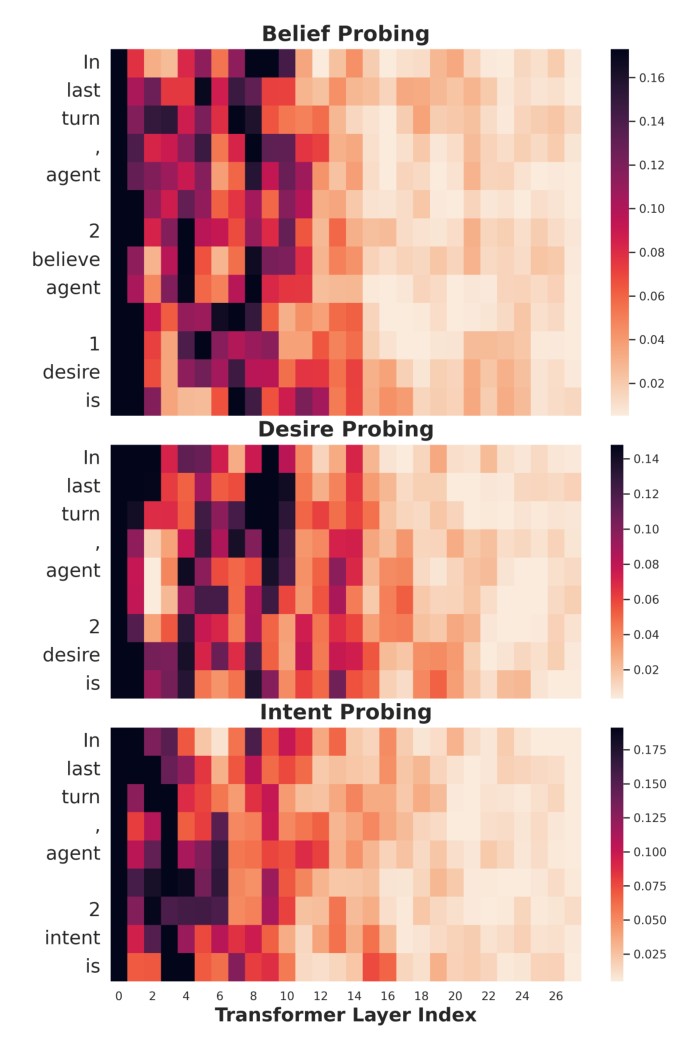
Figure 3: Layer-wise probing results on NegotiationToM with Qwen2.5. Details and corresponding results of Llama-3 are provided in Appendix B.
图 3:Qwen2.5 在 NegotiationToM 上的逐层探测结果。Llama-3 的细节与对应结果见附录 B。
Baselines. We evaluate CoSToM against five representative baselines to ensure a comprehensive comparison across different paradigms in the dialogue generation task:
基线。我们将 CoSToM 与五条有代表性的基线比较,以便在对话生成任务中覆盖不同范式:
(1) Prompting-based Baselines: (i) Zero-shot: Directly prompt LLM to generate the next utterance without task-specific training. (ii) MindDial Qiu et al. (2024): An explicit reasoning method that first infers the partner’s BDI states and then generates a response conditioned on these ToM estimations.
(1)基于提示的基线:(i)零样本:直接提示 LLM 生成下一句话语,不做任务特定训练。(ii)MindDial Qiu et al. (2024):一种显式推理方法,先推断对方的 BDI 状态,再以这些 ToM 估计为条件生成回复。
(2) Finetuning-based Baselines: To ensure a fair comparison, all tuning-based baselines are trained on the same dataset as CoSToM. (iii) MindDial (Fine-tuned) Qiu et al. (2024): A supervised fine-tuned version of MindDial optimized on the same ToM-centric QA pairs to align its explicit reasoning. (iv) Full-Layer LoRA: A standard parameter-efficient fine-tuning baselines in which LoRA adapters are applied to the same ToM-sensitive encoder layers as in CoSToM, as well as all layers of the decoder. All these adapters are tuned for the ToM tasks. (v) LatentQA Pan et al. (2024): A dual-model architecture proposed by Jafari et al. (2025) that decodes latent ToM signals by fine-tuning the decoder. Detailed instruction prompts and implementation details are provided in Appendices E and A, respectively.
(2)基于微调的基线:为公平比较,所有调参基线都在与 CoSToM 相同的数据上训练。(iii)MindDial(微调) Qiu et al. (2024):在同一批以 ToM 为中心的问答对上做监督微调,以对齐其显式推理。(iv)全程 LoRA:一种标准的参数高效微调基线,把 LoRA 适配器装在与 CoSToM 相同的 ToM 敏感编码层上,以及解码器的全部层上。这些适配器都针对 ToM 任务进行训练。(v)LatentQA Pan et al. (2024):Jafari et al. (2025) 提出的双模型架构,通过微调解码器来解码潜在的 ToM 信号。详细的指令提示与实现细节分别见附录 E 和附录 A。
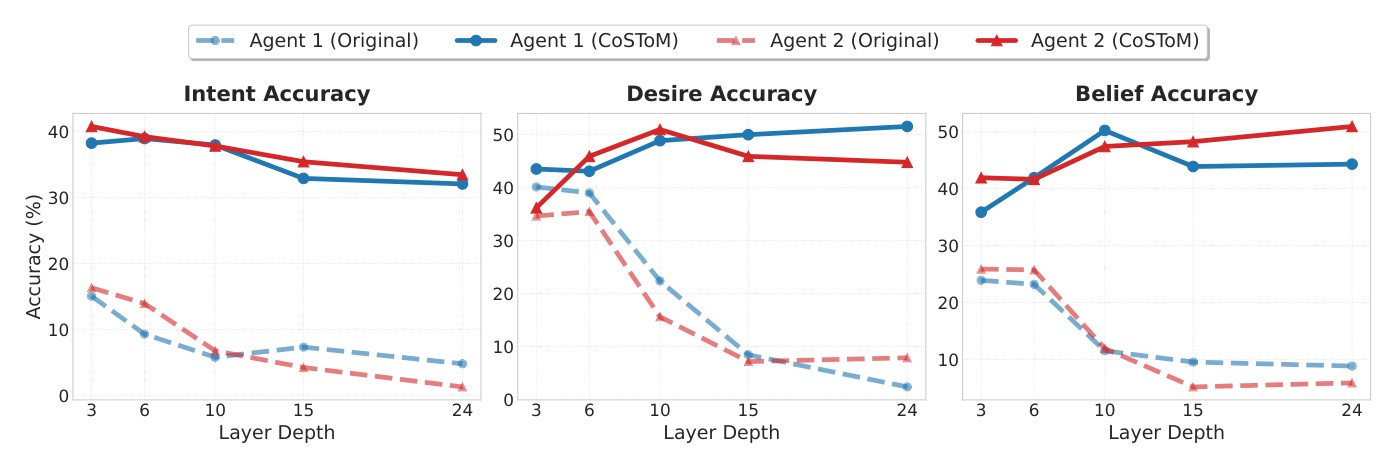
Figure 4: Layer-wise reconstruction accuracy on the Negotiation dataset (Llama-3). Dashed lines represent the original model, showing a rapid decay in ToM information (representation collapse) in deeper layers. Solid lines represent the CoSToM-enhanced model, which maintains robust, high-fidelity representations across all layers.
图 4:谈判数据上的逐层重建准确率(Llama-3)。虚线表示原始模型,显示 ToM 信息在更深的层中迅速衰减(表征塌缩)。实线表示经 CoSToM 增强的模型,它在各层都保持稳健、保真度高的表征。
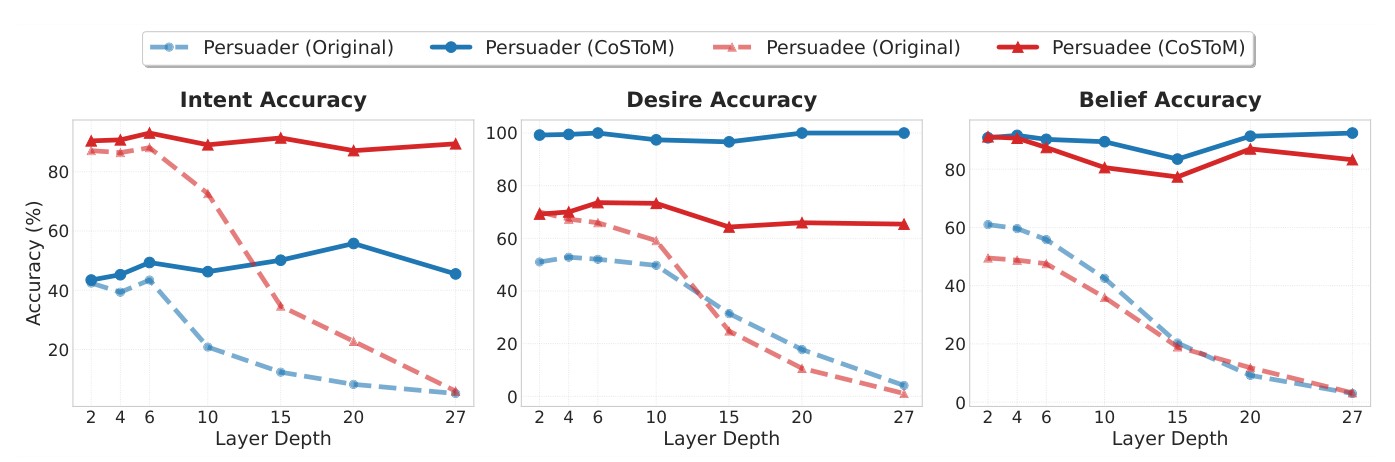
Figure 5: Layer-wise reconstruction accuracy on the PersuasiveToM dataset (Llama-3). CoSToM not only rescues the performance in deep layers (e.g., persuadee’s intent) but also amplifies the persuader’s desire detection to near-perfect accuracy, as shown in the center plot.
图 5:PersuasiveToM 数据上的逐层重建准确率(Llama-3)。CoSToM 不仅挽回了深层的表现(例如被劝说者的意图),还把劝说者的欲望检测放大到接近完美,见中间一幅图。
4.2 RQ1: ToM Interpretation
4.2 RQ1:ToM 解释
To answer RQ1 (Where does ToM-related information emerge and persist?), we analyze the reconstruction performance of mental states (belief, desire, and intention) across different layers of the context encoder. Table 1 and 2 present the quantitative results for the NegotiationToM and PersuasiveToM tasks, respectively. Our causal tracing experiments yield three critical observations:
为回答 RQ1(ToM 相关信息在何处出现并得以保持?),我们分析语境编码器不同层上对心理状态(信念、欲望和意图)的重建表现。表 1 和表 2 分别给出 NegotiationToM 与 PersuasiveToM 任务的定量结果。因果追踪实验带来三点关键观察:
1) The “Early Layer Primacy” of ToM encoding. Contrary to the conventional assumption that high-level reasoning resides solely in deeper layers Song et al. (2025); Yang et al. (2025), our results reveal that ToM representations are predominantly localized within the model’s shallow layers. As shown in Table 1 and 2, both Llama-3 and Qwen2.5 exhibit a distinct “ToM-sensitive zone” within the initial stages (e.g., -). For instance, in the negotiation task, the decodability of desire peaks at Layer () and remains high through Layer , suggesting that fundamental social information is extracted almost following the embedding projection. This observation is further validated by layer-wise probing (Figure 3), where classification accuracy, as a proxy for knowledge density, shows a high concentration of ToM-specific information in the early layers.
1) ToM 编码的“浅层优先”。 与高层推理只存在于更深层次的常见假设相反 Song et al. (2025); Yang et al. (2025),我们的结果表明,ToM 表征主要位于模型的浅层。如表 1 和表 2 所示,Llama-3 与 Qwen2.5 都在初始阶段(例如 –)表现出清晰的“ToM 敏感区”。例如在谈判任务中,欲望 的可解码性在第 层达到峰值(约 ),并一直保持到第 层,说明基本的社交信息几乎在嵌入投影之后就被提取出来。这一观察还得到逐层探测(图 3)的支持:以分类准确率作为知识密度的代理,早期层中 ToM 特有信息高度集中。
2) Representational depth of mental state. Causal tracing results reveal that the decodability of mental states is intrinsically tied to their semantic complexity: intention consistently proves as more complicated dimension, yielding significantly lower accuracy compared to belief or desire ( vs. in negotiation ). Notably, Llama-3 (persuader role) exhibits a “staged maturation” of these states that mirrors human cognitive progress Rao and Georgeff (1991); Wooldridge (2003); Wellman and Liu (2004); Bratman (1987): representational peaks shift from Layer for belief to Layer for desire, and finally to Layer for intention.
2) 心理状态的表征深度。 因果追踪结果表明,心理状态的可解码性与其语义复杂度内在相关:意图 始终是更复杂的维度,准确率明显低于 信念 或 欲望(谈判中为 对 )。值得注意的是,Llama-3(劝说者角色)对这些状态表现出一种 “分阶段成熟”,与人类认知发展相呼应 Rao and Georgeff (1991); Wooldridge (2003); Wellman and Liu (2004); Bratman (1987):表征峰值从 信念 的第 层,移到 欲望 的第 层,再到 意图 的第 层。
4.3 RQ2: Efficacy of CoSToM
4.3 RQ2:CoSToM 的效力
We evaluate the impact of causal-oriented steering on the mental state alignment. Quantitative results for Llama-3 are presented in Figures 4 and 5, with parallel results for Qwen2.5 are provided in Appendix C. The experimental evidence highlights two primary advantages of CoSToM: Stability and Magnitude.
我们评估面向因果的导向对心理状态对齐的影响。Llama-3 的定量结果见图 4 和图 5,Qwen2.5 的平行结果见附录 C。实验证据突出了 CoSToM 的两个主要优点:稳定性 与 幅度。
1) Stability: mitigating representation collapse. A striking observation is that CoSToM effectively counteracts the “vanishing ToM” phenomenon. In baseline model (dashed lines), ToM-related information decays rapidly in deeper layers as the model transitions toward token generation (as analyzed in section 4.2). Conversely, CoSToM-enhanced models (solid line) exhibit remarkable representational resilience. As shown in Figure 5, decoding accuracy forms a “sustained plateau”, maintaining high-fidelity mental state features even in the deep layers. This confirms that our gradient bridge steering successfully “locks” social reasoning into the latent space, safeguarding it against layer-wise collapse during the generative process.
1) 稳定性:缓解表征塌缩。 一个醒目的观察是,CoSToM 能有效对抗“ToM 消失”现象。在基线模型中(虚线),随着模型转向词元生成,ToM 相关信息在更深的层中迅速衰减(见第 4.2 节的分析)。相反,经 CoSToM 增强的模型(实线)表现出明显的表征韧性。如图 5 所示,解码准确率形成一个“持续平台”,即使在深层也保持高保真的心理状态特征。这证实,我们的梯度桥导向成功地把社会推理 “锁进”潜在空间,使其在生成过程中不至于逐层塌缩。
2) Magnitude: signal recovery and amplification. Beyond stabilization, CoSToM yields substantial quantitative gains by both rescuing collapsed representations and amplifying existing ones. As illustrated in Figure 4, CoSToM successfully rescues signals from near-total collapse in deep layers; for instance, Agent 1’s desire accuracy at layer surges from a negligible to a robust . Moreover, CoSToM refines early layers signals, elevating the persuader’s desire tracking at Layer from a moderate to near-perfection at (Figure 5, center).
2) 幅度:信号恢复与放大。 在稳定之外,CoSToM 既挽回了已塌缩的表征,也放大了原有信号,从而带来可观的定量提升。如图 4 所示,CoSToM 成功从深层近乎彻底的塌缩中挽回信号;例如,Agent 1 在第 层的 欲望 准确率从微不足道的 升到稳健的 。此外,CoSToM 还改进了浅层信号,把劝说者在第 层的 欲望 追踪从中等的 提高到接近完美的 (图 5,中间一幅)。
The consistency of these gains across architectures (Llama-3 and Qwen2.5) and social domains underscores that CoSToM is not merely a patch for specific failures, but a generalizable mechanism for optimizing the information flow of ToM-focus features.
这些提升在不同架构(Llama-3 与 Qwen2.5)和不同社交领域上保持一致,说明 CoSToM 不只是修补某些特定失败,而是一套优化 ToM 相关特征信息流的 可推广机制。
| Method | Judge: Llama-3.3-70B ToM | Coh. | NSE | Judge: GPT-5.1 ToM | Coh. | NSE | Judge: Human ToM | Coh. | NSE |
|---|---|---|---|---|---|---|---|---|---|
| Base Model: Llama-3-8B-Instruct | |||||||||
| Prompting Baselines | |||||||||
| Zero-shot Baseline | 0.081 | 0.315 | 0.294 | 0.179 | 0.441 | 0.472 | 0.165 | 0.430 | 0.460 |
| MindDial (prompt) Qiu et al. (2024) | 0.306 | 0.575 | 0.440 | 0.279 | 0.528 | 0.464 | 0.275 | 0.510 | 0.475 |
| Tuning & Intervention | |||||||||
| MindDial (Fine-tuned) Qiu et al. (2024) | 0.405 | 0.578 | 0.452 | 0.348 | 0.542 | 0.507 | 0.360 | 0.545 | 0.515 |
| Full-Layer LoRA | 0.245 | 0.511 | 0.467 | 0.297 | 0.542 | 0.576 | 0.310 | 0.535 | 0.560 |
| LatentQA Jafari et al. (2025) | 0.221 | 0.359 | 0.271 | 0.155 | 0.326 | 0.302 | 0.185 | 0.340 | 0.315 |
| CoSToM (Ours) | 0.499 | 0.629 | 0.598 | 0.467 | 0.524 | 0.571 | 0.485 | 0.580 | 0.595 |
| Base Model: Qwen2.5-7B-Instruct | |||||||||
| Prompting Baselines | |||||||||
| Zero-shot Baseline | 0.017 | 0.325 | 0.277 | 0.164 | 0.438 | 0.468 | 0.140 | 0.445 | 0.450 |
| MindDial (prompt) Qiu et al. (2024) | 0.118 | 0.438 | 0.287 | 0.176 | 0.441 | 0.400 | 0.160 | 0.450 | 0.420 |
| Tuning & Intervention | |||||||||
| MindDial (Fine-tuned) Qiu et al. (2024) | 0.149 | 0.511 | 0.395 | 0.184 | 0.492 | 0.485 | 0.190 | 0.500 | 0.480 |
| Full-Layer LoRA | 0.153 | 0.469 | 0.413 | 0.237 | 0.499 | 0.505 | 0.235 | 0.505 | 0.515 |
| LatentQA Jafari et al. (2025) | 0.440 | 0.608 | 0.537 | 0.230 | 0.298 | 0.290 | 0.280 | 0.350 | 0.320 |
| CoSToM (Ours) | 0.751 | 0.842 | 0.835 | 0.511 | 0.528 | 0.651 | 0.565 | 0.710 | 0.680 |
Table 4: Dialogue generation quality on the NegotiationToM dataset (N = 100). (ToM: Theory of Mind Reasoning Quality, Coh.: Contextual Coherence, NSE: Negotiation Strategy Effectiveness.)
| 方法 | 评委:Llama-3.3-70B ToM | 连贯性 | NSE | 评委:GPT-5.1 ToM | 连贯性 | NSE | 评委:人工 ToM | 连贯性 | NSE |
|---|---|---|---|---|---|---|---|---|---|
| 基座模型:Llama-3-8B-Instruct | |||||||||
| 提示基线 | |||||||||
| 零样本基线 | 0.081 | 0.315 | 0.294 | 0.179 | 0.441 | 0.472 | 0.165 | 0.430 | 0.460 |
| MindDial(提示) Qiu et al. (2024) | 0.306 | 0.575 | 0.440 | 0.279 | 0.528 | 0.464 | 0.275 | 0.510 | 0.475 |
| 调参与干预 | |||||||||
| MindDial(微调) Qiu et al. (2024) | 0.405 | 0.578 | 0.452 | 0.348 | 0.542 | 0.507 | 0.360 | 0.545 | 0.515 |
| 全程 LoRA | 0.245 | 0.511 | 0.467 | 0.297 | 0.542 | 0.576 | 0.310 | 0.535 | 0.560 |
| LatentQA Jafari et al. (2025) | 0.221 | 0.359 | 0.271 | 0.155 | 0.326 | 0.302 | 0.185 | 0.340 | 0.315 |
| CoSToM(本文) | 0.499 | 0.629 | 0.598 | 0.467 | 0.524 | 0.571 | 0.485 | 0.580 | 0.595 |
| 基座模型:Qwen2.5-7B-Instruct | |||||||||
| 提示基线 | |||||||||
| 零样本基线 | 0.017 | 0.325 | 0.277 | 0.164 | 0.438 | 0.468 | 0.140 | 0.445 | 0.450 |
| MindDial(提示) Qiu et al. (2024) | 0.118 | 0.438 | 0.287 | 0.176 | 0.441 | 0.400 | 0.160 | 0.450 | 0.420 |
| 调参与干预 | |||||||||
| MindDial(微调) Qiu et al. (2024) | 0.149 | 0.511 | 0.395 | 0.184 | 0.492 | 0.485 | 0.190 | 0.500 | 0.480 |
| 全程 LoRA | 0.153 | 0.469 | 0.413 | 0.237 | 0.499 | 0.505 | 0.235 | 0.505 | 0.515 |
| LatentQA Jafari et al. (2025) | 0.440 | 0.608 | 0.537 | 0.230 | 0.298 | 0.290 | 0.280 | 0.350 | 0.320 |
| CoSToM(本文) | 0.751 | 0.842 | 0.835 | 0.511 | 0.528 | 0.651 | 0.565 | 0.710 | 0.680 |
表 4:NegotiationToM 数据集上的对话生成质量(N = 100)。(ToM:心智理论推理质量;连贯性:上下文连贯性;NSE:谈判策略有效性。)
4.4 RQ3: Dialogue Generation
4.4 RQ3:对话生成
To access whether intrinsic intervention translates into improved behavioral alignment, we evaluate the dialogue generation quality using a rigorous LLM-as-a-Judge framework and human experts. Responses are scored on a to scale across three functional dimensions: (i) ToM-centric metrics: ToM Reasoning Quality, (ii) dialogue-level metrics: Contextual coherence, and (iii) Objective-oriented metrics: Strategy Effectiveness. Detailed evaluation rubrics and human assessment are provided in Appendix F. To ensure a robust comparison, we employ the optimal intervention layer for CoSToM-enhanced generation. The dialogue generation results on NegotiationToM are reported in Table 4, while those on PersuasiveToM are presented in Table 5 and Appendix D. Our analysis yields two critical findings:
为考察内在干预是否转化为更好的行为对齐,我们用严格的 LLM-as-a-Judge 框架和人类专家评估对话生成质量。回复按 到 的量表,从三个功能维度打分:(i)以 ToM 为中心的指标:ToM 推理质量;(ii)对话层面的指标:上下文连贯性;(iii)面向目标的指标:策略有效性。详细评分细则与人工评估见附录 F。为确保比较稳健,CoSToM 增强的生成采用最优干预层。NegotiationToM 上的对话生成结果见表 4,PersuasiveToM 上的结果见表 5 和附录 D。分析得到两点关键发现:
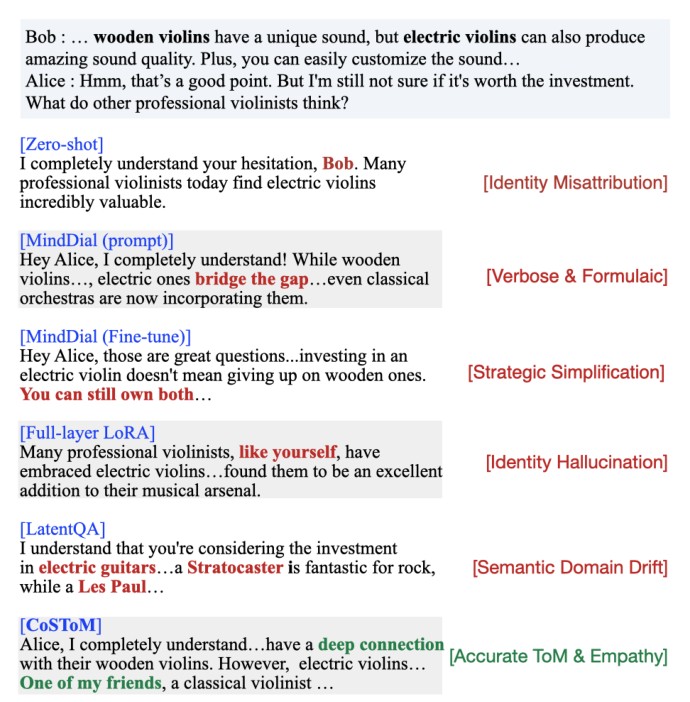
Figure 6: Qualitative comparison of dialogue generation across different Qwen-based variants in the persuasive task (wooden vs. electric violins). Red highlight typical reasoning pitfalls in baselines, while green demonstrates CoSToM’s ability to generate coherent and empathetic responses grounded in accurate ToM reasoning.
图 6:说服任务(木制小提琴对电小提琴)中,不同 Qwen 变体对话生成的定性比较。红色标出基线中常见的推理失误,绿色则显示 CoSToM 能够生成连贯、有同理心、并以准确 ToM 推理为根基的回复。
1) CoSToM bridges the gap between ToM inference and ToM-aligned behavior. Quantitative evidence shows that vanilla models struggle with implicit social reasoning. In Table 4, the baseline Llama-3 achieves a ToM score of only while CoSToM-enhanced method achieves a improvement (). As illustrated in Figure 6, this leap manifests as a transition from erratic reasoning pitfalls, such as identity confusion and semantic drift, to coherent, empathetic interactions.
1) CoSToM 弥合了 ToM 推断与 ToM 对齐行为之间的差距。 定量证据表明,原模型在隐含的社会推理上较为吃力。在表 4 中,基线 Llama-3 的 ToM 分数只有 ,而经 CoSToM 增强的方法取得了约 的提升()。如图 6 所示,这一跃升表现为:从身份混淆、语义漂移等不稳定的推理失误,转向连贯且有同理心的互动。
2) Focused intervention vs. Global optimization. A profound result is that partial-layer tuned CoSToM largely outperforms the global tuned method (Full-Layer LoRA). In Table 4, CoSToM nearly doubles the ToM score of global tuning ( vs. ). While global optimization slightly excels in maintaining generic linguistic patterns (e.g., coherence), it is considerably less effective at capturing the nuanced mental states indispensable for strategic interaction. This supports the hypothesis that social reasoning acts as a localized cognitive function within LLMs. We attribute this phenomenon to the fact that indiscriminate tuning of all layers often introduces representation noise or overwrites critical pre-trained features, in contrast, our causal-oriented steering preserves model integrity while selectively activating specialized ToM reasoning pathways.
2) 有针对性的干预对全局优化。 一个深刻的结果是:只对部分层调参的 CoSToM,大幅优于全局调参的方法(全程 LoRA)。在表 4 中,CoSToM 的 ToM 分数几乎是全局调参的两倍( 对 )。全局优化在维持一般语言模式(例如 连贯性)上略占优势,但在捕捉策略互动所必需的细微心理状态上,效果差得明显。这支持一个假设:社会推理在 LLM 中更像一种局部认知功能。我们将这一现象归因于:对所有层不加区分地调参,往往引入表征噪声,或覆盖掉关键的预训练特征;相比之下,面向因果的导向在保持模型完整性的同时,有选择地激活专门的 ToM 推理通路。
5 Conclusion
5 结论
Moving beyond static “black box” behavioral benchmarks, this work presents CoSToM, a comprehensive mechanistic framework for studying and aligning Theory of Mind in large language models. By progressing from causal tracing to active intervention alignment, CoSToM systematically addresses three core research questions. First, we reveal that LLMs possess intrinsic ToM reasoning capabilities, with the corresponding mental state representation predominantly localized within the early layers. Second, we demonstrate that these ToM-critical layers can be manipulated via activation steering to induce human-like social reasoning. Finally, we establish that such internal alignment effectively translates into socially appropriate dialogue generation, serving as an adaptive, plug-and-play module for diverse social interaction tasks.
在静态的“黑盒”行为基准之外,本文提出 CoSToM,这是一套用于研究并对齐大语言模型中心智理论的综合性机制框架。通过从因果追踪推进到主动干预对齐,CoSToM 系统地回应了三个核心研究问题。首先,我们揭示 LLM 具备内在的 ToM 推理能力,相应的心理状态表征主要位于早期层。其次,我们表明这些 ToM 关键层可以通过激活导向加以操纵,从而诱发出类人的社会推理。最后,我们证实这种内部对齐能够有效转化为合乎社交的对话生成,并作为适应性的即插即用模块,服务于多样的社交互动任务。
Limitations
局限性
We discuss two limitations. First, regarding the scope of social scenarios. While CoSToM demonstrates significant efficacy in causal-oriented strategic interactions such as negotiation and persuasion, its generalizability to broader social contexts remains to be fully explored. Second, the methodology depends on access to open-source weights. A fundamental requirement of CoSToM is the ability to access and manipulate the model’s internal activations and gradient flow. Consequently, our approach is currently restricted to open-weights models where the internal states are transparent for achieving the mechanistic alignment and robust social reasoning.
我们讨论两点局限。第一,关于社交场景的范围。尽管 CoSToM 在谈判、说服这类面向因果的策略互动中表现出明显效力,它能否推广到更宽的社交语境,仍有待充分探索。第二,该方法依赖对开源权重的访问。CoSToM 的一项基本要求是能够访问并操纵模型的内部激活和梯度流。因此,我们的方法目前只适用于开放权重模型,只有在内部状态透明时,才能实现这种机制对齐和稳健的社会推理。
Ethical Considerations
伦理考虑
This work utilize open-source NegotiationToM and PersuasiveToM benchmark along with open-source Llama-3 and Qwen2.5 models in strict compliance with their respective licenses and intended academic purposes.
本工作使用开源的 NegotiationToM 与 PersuasiveToM 基准,以及开源的 Llama-3 与 Qwen2.5 模型,并严格遵守各自的许可证和预定的学术用途。
Acknowledgement
致谢
This work was supported by the National Key Research and Development Program of China (Grant No. 2024YFB4505202), Major Program (JD) of Hubei Province (No. 2023BAA024), Singapore Ministry of Education (MOE) Academic Research Fund (AcRF) Tier 1 grant (Proposal ID: 24-SIS-SMU-002) and China Scholarship Council.
本工作得到中国国家重点研发计划(批准号 2024YFB4505202)、湖北省重大专项(JD)(编号 2023BAA024)、新加坡教育部(MOE)学术研究基金(AcRF)Tier 1 资助(提案编号:24-SIS-SMU-002)以及中国国家留学基金委的支持。
References
参考文献
Aljaafari et al. (2025) N. Aljaafari, D. Carvalho, and A. Freitas TRACE: training and inference-time interpretability analysis for language models . In Proceedings of the 2025 Conference on Empirical Methods in Natural Language Processing: System Demonstrations , pp. 806–820 . Cited by: §1 .
Azaria and Mitchell (2023) A. Azaria and T. M. Mitchell The internal state of an LLM knows when it’s lying . In Findings of the Association for Computational Linguistics: EMNLP 2023 , pp. 967–976 . Cited by: §2 .
Baker et al. (2017) C. L. Baker, J. Jara-Ettinger, R. Saxe, and J. B. Tenenbaum Rational quantitative attribution of beliefs, desires and percepts in human mentalizing . Nature Human Behaviour 1 ( 4 ), pp. 0064 . Cited by: §1 , §2 .
Bortoletto et al. (2024) M. Bortoletto, C. Ruhdorfer, A. Abdessaied, L. Shi, and A. Bulling Limits of theory of mind modelling in dialogue-based collaborative plan acquisition . In Proceedings of the 62nd Annual Meeting of the Association for Computational Linguistics (Volume 1: Long Papers), ACL 2024 , pp. 4856–4871 . Cited by: §1 .
Bratman (1987) M. Bratman Intention, plans, and practical reason . Cited by: §4.2 .
Chan et al. (2024) C. Chan, C. Jiayang, Y. Yim, Z. Deng, W. Fan, H. Li, X. Liu, H. Zhang, W. Wang, and Y. Song NegotiationToM: A benchmark for stress-testing machine theory of mind on negotiation surrounding . In Findings of the Association for Computational Linguistics: EMNLP 2024 , pp. 4211–4241 . Cited by: §1 , §2 , §4.1 .
Chandra et al. (2023) K. Chandra, T. Li, J. Tenenbaum, and J. Ragan-Kelley Acting as inverse inverse planning . In Acm siggraph 2023 conference proceedings , pp. 1–12 . Cited by: §2 .
Cheang et al. (2025) C. S. Cheang, H. P. Chan, W. Zhang, and Y. Deng Large language models do NOT really know what they don’t know . CoRR abs/2510.09033 . Cited by: §2 .
Chen et al. (2024a) H. Chen, C. Vondrick, and C. Mao SelfIE: self-interpretation of large language model embeddings . In Forty-first International Conference on Machine Learning, ICML 2024 , Cited by: §1 .
[10] R. Chen, W. Jiang, C. Qin, and C. Tan Theory of mind in large language models: assessment and enhancement . In Proceedings of the 63rd Annual Meeting of the Association for Computational Linguistics , ACL 2025 , pp. 31539–31558 . Cited by: §1 , §2 .
Chen et al. (2024b) Z. Chen, J. Wu, J. Zhou, B. Wen, G. Bi, G. Jiang, Y. Cao, M. Hu, Y. Lai, Z. Xiong, and M. Huang ToMBench: benchmarking theory of mind in large language models . In Proceedings of the 62nd Annual Meeting of the Association for Computational Linguistics (Volume 1: Long Papers), ACL 2024 , pp. 15959–15983 . Cited by: §1 .
Cheng et al. (2022) L. Cheng, R. Guo, and H. Liu Causal mediation analysis with hidden confounders . In Proceedings of the Fifteenth ACM International Conference on Web Search and Data Mining , pp. 113–122 . Cited by: §2 .
Cheng et al. (2024) Y. Cheng, W. Liu, J. Wang, C. T. Leong, Y. Ouyang, W. Li, X. Wu, and Y. Zheng Cooper: coordinating specialized agents towards a complex dialogue goal . In Proceedings of the AAAI Conference on Artificial Intelligence , Vol. 38 , pp. 17853–17861 . Cited by: §1 .
Deng et al. (2025) J. Deng, T. Tang, Y. Yin, W. Yang, X. Zhao, and J. Wen Neuron based personality trait induction in large language models . In The Thirteenth International Conference on Learning Representations, ICLR 2025 , Cited by: §2 .
Deng et al. (2023a) Y. Deng, W. Lei, M. Huang, and T. Chua Rethinking conversational agents in the era of llms: proactivity, non-collaborativity, and beyond . In Proceedings of the Annual international ACM SIGIR conference on research and development in information retrieval in the Asia Pacific region , pp. 298–301 . Cited by: §1 .
Deng et al. (2023b) Y. Deng, L. Liao, L. Chen, H. Wang, W. Lei, and T. Chua Prompting and evaluating large language models for proactive dialogues: clarification, target-guided, and non-collaboration . In Findings of the Association for Computational Linguistics: EMNLP 2023, Singapore, December 6-10, 2023 , H. Bouamor, J. Pino, and K. Bali (Eds.) , Findings of ACL , pp. 10602–10621 . Cited by: §1 .
Deng et al. (2024) Y. Deng, W. Zhang, W. Lam, S. Ng, and T. Chua Plug-and-play policy planner for large language model powered dialogue agents . In The Twelfth International Conference on Learning Representations, ICLR 2024, Vienna, Austria, May 7-11, 2024 , Cited by: §1 .
Dettmers et al. (2023) T. Dettmers, A. Pagnoni, A. Holtzman, and L. Zettlemoyer Qlora: efficient finetuning of quantized llms . Advances in neural information processing systems 36 , pp. 10088–10115 . Cited by: §A.1 .
Dumas et al. (2025) C. Dumas, C. Wendler, V. Veselovsky, G. Monea, and R. West Separating tongue from thought: activation patching reveals language-agnostic concept representations in transformers . In Proceedings of the 63rd Annual Meeting of the Association for Computational Linguistics (Volume 1: Long Papers) , pp. 31822–31841 . Cited by: §2 .
Fleiss (1971) J. L. Fleiss Measuring nominal scale agreement among many raters. . Psychological bulletin 76 ( 5 ), pp. 378 . Cited by: §F.1 .
Hou et al. (2024) G. Hou, W. Zhang, Y. Shen, L. Wu, and W. Lu TimeToM: temporal space is the key to unlocking the door of large language models’ theory-of-mind . In Findings of the Association for Computational Linguistics, ACL 2024, Bangkok, Thailand and virtual meeting, August 11-16, 2024 , pp. 11532–11547 . Cited by: §1 , §2 .
Huben et al. (2024) R. Huben, H. Cunningham, L. R. Smith, A. Ewart, and L. Sharkey Sparse autoencoders find highly interpretable features in language models . In The Twelfth International Conference on Learning Representations, ICLR 2024 , Cited by: §1 .
Jafari et al. (2025) M. Jafari, Y. Hua, H. Xue, and F. D. Salim Beyond words: integrating theory of mind into conversational agents for human-like belief, desire, and intention alignment . In Findings of the Association for Computational Linguistics: ACL 2025 , pp. 5489–5508 . Cited by: Table 5 , Table 5 , §2 , §4.1 , Table 4 , Table 4 .
Jin et al. (2024) C. Jin, Y. Wu, J. Cao, J. Xiang, Y. Kuo, Z. Hu, T. Ullman, A. Torralba, J. Tenenbaum, and T. Shu Mmtom-qa: multimodal theory of mind question answering . In Proceedings of the 62nd Annual Meeting of the Association for Computational Linguistics (Volume 1: Long Papers) , pp. 16077–16102 . Cited by: §1 , §1 , §2 .
Ju et al. (2024) T. Ju, W. Sun, W. Du, X. Yuan, Z. Ren, and G. Liu How large language models encode context knowledge? A layer-wise probing study . In Proceedings of the 2024 Joint International Conference on Computational Linguistics, Language Resources and Evaluation, LREC/COLING 2024 , pp. 8235–8246 . Cited by: Appendix B .
[26] C. Jung, D. Kim, J. Jin, J. Kim, Y. Seonwoo, Y. Choi, A. Oh, and H. Kim Perceptions to beliefs: exploring precursory inferences for theory of mind in large language models . In Proceedings of the 2024 Conference on Empirical Methods in Natural Language Processing, EMNLP 2024, Miami, FL, USA, November 12-16, 2024 , pp. 19794–19809 . Cited by: §1 , §2 .
Kim et al. (2023) H. Kim, M. Sclar, X. Zhou, R. L. Bras, G. Kim, Y. Choi, and M. Sap FANToM: A benchmark for stress-testing machine theory of mind in interactions . In Proceedings of the 2023 Conference on Empirical Methods in Natural Language Processing , pp. 14397–14413 . Cited by: §2 .
Kwon et al. (2024) D. Kwon, E. Weiss, T. Kulshrestha, K. Chawla, G. Lucas, and J. Gratch Are llms effective negotiators? systematic evaluation of the multifaceted capabilities of llms in negotiation dialogues . In Findings of the Association for Computational Linguistics: EMNLP 2024 , pp. 5391–5413 . Cited by: §1 .
Li et al. (2023) H. Li, Y. Q. Chong, S. Stepputtis, J. Campbell, D. Hughes, C. Lewis, and K. P. Sycara Theory of mind for multi-agent collaboration via large language models . In Proceedings of the 2023 Conference on Empirical Methods in Natural Language Processing, EMNLP 2023 , pp. 180–192 . Cited by: §1 .
Li et al. (2026) M. Li, X. Shi, and Y. Deng RecToM: a benchmark for evaluating machine theory of mind in llm-based conversational recommender systems . In Proceedings of the AAAI Conference on Artificial Intelligence , Vol. 40 , pp. 31636–31644 . Cited by: §1 , §2 .
Ma et al. (2023) X. Ma, L. Gao, and Q. Xu ToMChallenges: A principle-guided dataset and diverse evaluation tasks for exploring theory of mind . In Proceedings of the 27th Conference on Computational Natural Language Learning, CoNLL 2023 , pp. 15–26 . Cited by: §1 .
Meng et al. (2022) K. Meng, D. Bau, A. Andonian, and Y. Belinkov Locating and editing factual associations in gpt . Advances in neural information processing systems 35 , pp. 17359–17372 . Cited by: §2 .
Miao et al. (2022) R. Miao, Z. Qi, and X. Zhang Off-policy evaluation for episodic partially observable markov decision processes under non-parametric models . Advances in Neural Information Processing Systems 35 , pp. 593–606 . Cited by: §2 .
Mishra et al. (2022) K. Mishra, A. M. Samad, P. Totala, and A. Ekbal Pepds: a polite and empathetic persuasive dialogue system for charity donation . In Proceedings of the 29th International Conference on Computational Linguistics , pp. 424–440 . Cited by: §1 .
Pan et al. (2024) A. Pan, L. Chen, and J. Steinhardt LatentQA: teaching llms to decode activations into natural language . CoRR abs/2412.08686 . Cited by: §1 , §4.1 .
Qiu et al. (2024) S. Qiu, M. Liu, H. Li, S. Zhu, and Z. Zheng MindDial: enhancing conversational agents with theory-of-mind for common ground alignment and negotiation . In Proceedings of the 25th Annual Meeting of the Special Interest Group on Discourse and Dialogue , pp. 746–759 . Cited by: Table 5 , Table 5 , Table 5 , Table 5 , Appendix E , §2 , §4.1 , §4.1 , Table 4 , Table 4 , Table 4 , Table 4 .
Rao and Georgeff (1991) A. S. Rao and M. P. Georgeff Modeling rational agents within a bdi-architecture . In Proceedings of the 2nd International Conference on Principles of Knowledge Representation and Reasoning , pp. 473–484 . Cited by: §4.2 .
Saha et al. (2023) S. Saha, P. Hase, and M. Bansal Can language models teach weaker agents? teacher explanations improve students via theory of mind . arXiv preprint arXiv:2306.09299 . Cited by: §2 .
Sarangi et al. (2025) S. Sarangi, M. Elgarf, and H. Salam Decompose-ToM: enhancing theory of mind reasoning in large language models through simulation and task decomposition . In Proceedings of the 31st International Conference on Computational Linguistics , pp. 10228–10241 . Cited by: §1 , §2 .
[40] M. Sclar, S. Kumar, P. West, A. Suhr, Y. Choi, and Y. Tsvetkov Minding language models’ (lack of) theory of mind: A plug-and-play multi-character belief tracker . In Proceedings of the 61st Annual Meeting of the Association for Computational Linguistics, ACL 2023 , pp. 13960–13980 . Cited by: §2 .
Shi et al. (2025) H. Shi, S. Ye, X. Fang, C. Jin, L. Isik, Y. Kuo, and T. Shu Muma-tom: multi-modal multi-agent theory of mind . In Proceedings of the AAAI Conference on Artificial Intelligence , Vol. 39 , pp. 1510–1519 . Cited by: §1 , §1 , §2 .
Sicilia and Alikhani (2025) A. Sicilia and M. Alikhani Evaluating theory of (an uncertain) mind: predicting the uncertain beliefs of others from conversational cues . In Proceedings of the 63rd Annual Meeting of the Association for Computational Linguistics (Volume 1: Long Papers) , pp. 8007–8021 . Cited by: §2 .
Singh et al. (2024) C. Singh, J. P. Inala, M. Galley, R. Caruana, and J. Gao Rethinking interpretability in the era of large language models . arXiv preprint arXiv:2402.01761 . Cited by: §2 .
Song et al. (2025) X. Song, K. Wang, P. Li, L. Yin, and S. Liu Demystifying the roles of LLM layers in retrieval, knowledge, and reasoning . CoRR abs/2510.02091 . Cited by: §4.2 .
Stolfo et al. (2023) A. Stolfo, Y. Belinkov, and M. Sachan A mechanistic interpretation of arithmetic reasoning in language models using causal mediation analysis . In Proceedings of the 2023 Conference on Empirical Methods in Natural Language Processing , pp. 7035–7052 . Cited by: §2 .
Strachan et al. (2024) J. W. Strachan, D. Albergo, G. Borghini, O. Pansardi, E. Scaliti, S. Gupta, K. Saxena, A. Rufo, S. Panzeri, G. Manzi, et al. Testing theory of mind in large language models and humans . Nature Human Behaviour 8 ( 7 ), pp. 1285–1295 . Cited by: §1 .
Tian et al. (2024) L. Tian, X. J. Zhang, and J. H. Lau Cma-r: causal mediation analysis for explaining rumour detection . In Findings of the Association for Computational Linguistics: EACL 2024 , pp. 1667–1675 . Cited by: §2 .
Tigges et al. (2024) C. Tigges, O. J. Hollinsworth, A. Geiger, and N. Nanda Language models linearly represent sentiment . In Proceedings of the 7th BlackboxNLP Workshop: Analyzing and Interpreting Neural Networks for NLP , pp. 58–87 . Cited by: §2 .
Tiwari et al. (2022) A. Tiwari, S. Saha, S. Sengupta, A. Maitra, R. Ramnani, and P. Bhattacharyya Persona or context? towards building context adaptive personalized persuasive virtual sales assistant . In Proceedings of the 2nd Conference of the Asia-Pacific Chapter of the Association for Computational Linguistics and the 12th International Joint Conference on Natural Language Processing (Volume 1: Long Papers) , pp. 1035–1047 . Cited by: §1 .
[50] X. Wang, W. Shi, R. Kim, Y. Oh, S. Yang, J. Zhang, and Z. Yu Persuasion for good: towards a personalized persuasive dialogue system for social good . In Proceedings of the 57th Conference of the Association for Computational Linguistics, ACL 2019 , pp. 5635–5649 . Cited by: §1 .
Wellman and Liu (2004) H. M. Wellman and D. Liu Scaling of theory-of-mind tasks . Child development 75 ( 2 ), pp. 523–541 . Cited by: §4.2 .
Wilf et al. (2024) A. Wilf, S. Lee, P. P. Liang, and L. Morency Think twice: perspective-taking improves large language models’ theory-of-mind capabilities . In Proceedings of the 62nd Annual Meeting of the Association for Computational Linguistics (Volume 1: Long Papers) , pp. 8292–8308 . Cited by: §2 .
Wooldridge (2003) M. J. Wooldridge Reasoning about rational agents, intelligent robots and autonomous agents series . Minds Mach. 13 ( 3 ), pp. 429–435 . Cited by: §4.2 .
Wu et al. (2023) Y. Wu, Y. He, Y. Jia, R. Mihalcea, Y. Chen, and N. Deng Hi-tom: a benchmark for evaluating higher-order theory of mind reasoning in large language models . In Findings of the Association for Computational Linguistics: EMNLP 2023 , pp. 10691–10706 . Cited by: §1 .
Xu et al. (2024) H. Xu, R. Zhao, L. Zhu, J. Du, and Y. He OpenToM: A comprehensive benchmark for evaluating theory-of-mind reasoning capabilities of large language models . In Proceedings of the 62nd Annual Meeting of the Association for Computational Linguistics, Bangkok, Thailand, , pp. 8593–8623 . Cited by: §2 .
Yang et al. (2024) D. Yang, J. Rao, K. Chen, X. Guo, Y. Zhang, J. Yang, and Y. Zhang Im-rag: multi-round retrieval-augmented generation through learning inner monologues . In Proceedings of the 47th International ACM SIGIR Conference on Research and Development in Information Retrieval , pp. 730–740 . Cited by: §1 .
Yang et al. (2025) M. Yang, J. Gao, and J. Wu Decoupling knowledge and reasoning in llms: an exploration using cognitive dual-system theory . arXiv preprint arXiv:2507.18178 . Cited by: §4.2 .
Yang et al. (2023) Y. Yang, A. Panagopoulou, S. Zhou, D. Jin, C. Callison-Burch, and M. Yatskar Language in a bottle: language model guided concept bottlenecks for interpretable image classification . In Proceedings of the IEEE/CVF conference on computer vision and pattern recognition , pp. 19187–19197 . Cited by: §1 .
Yu et al. (2025a) F. Yu, L. Jiang, S. Huang, Z. Wu, and X. Dai PersuasiveToM: A benchmark for evaluating machine theory of mind in persuasive dialogues . CoRR abs/2502.21017 . Cited by: §1 .
Yu et al. (2025b) F. Yu, L. Jiang, S. Huang, Z. Wu, and X. Dai PersuasiveToM: a benchmark for evaluating machine theory of mind in persuasive dialogues . arXiv preprint arXiv:2502.21017 . Cited by: §2 , §4.1 .
Zhan et al. (2024) H. Zhan, Y. Wang, Z. Li, T. Feng, Y. Hua, S. Sharma, L. Qu, Z. Semnani-Azad, I. Zukerman, and R. Haffari Let’s negotiate! A survey of negotiation dialogue systems . In Findings of the Association for Computational Linguistics: EACL 2024 , pp. 2019–2031 . Cited by: §1 .
Zhang et al. (2024) T. Zhang, C. Huang, Y. Deng, H. Liang, J. Liu, Z. Wen, W. Lei, and T. Chua Strength lies in differences! improving strategy planning for non-collaborative dialogues via diversified user simulation . In Proceedings of the 2024 Conference on Empirical Methods in Natural Language Processing, EMNLP 2024, Miami, FL, USA, November 12-16, 2024 , pp. 424–444 . Cited by: §1 .
Zhang et al. (2025) Z. Zhang, C. Jin, M. Y. Jia, and T. Shu Autotom: automated bayesian inverse planning and model discovery for open-ended theory of mind . In ICLR 2025 Workshop on Foundation Models in the Wild , Cited by: §1 , §2 .
Zhao et al. (2024a) H. Zhao, H. Chen, F. Yang, N. Liu, H. Deng, H. Cai, S. Wang, D. Yin, and M. Du Explainability for large language models: a survey . ACM Transactions on Intelligent Systems and Technology 15 ( 2 ), pp. 1–38 . Cited by: §2 .
Zhao et al. (2024b) W. Zhao, Z. Li, Y. Li, Y. Zhang, and J. Sun Defending large language models against jailbreak attacks via layer-specific editing . In Findings of the Association for Computational Linguistics: EMNLP 2024 , pp. 5094–5109 . Cited by: §2 .
Zhao et al. (2024c) Y. Zhao, W. Zhang, G. Chen, K. Kawaguchi, and L. Bing How do large language models handle multilingualism? . Advances in Neural Information Processing Systems 37 , pp. 15296–15319 . Cited by: §2 .
Zhao et al. (2025) Y. Zhao, W. Zhang, Y. Xie, A. Goyal, K. Kawaguchi, and M. Shieh Understanding and enhancing safety mechanisms of llms via safety-specific neuron . In The Thirteenth International Conference on Learning Representations, ICLR 2025 , Cited by: §2 .
Appendix A Implementation Details
附录 A 实现细节
A.1 Hardware and Software Environment
A.1 硬件与软件环境
Our experiments were conducted using Llama-3-8B-Instruct (approximately billion parameters) and Qwen2.5-7B-Instruct (approximately billion parameters) as base models. The computational framework was implemented using PyTorch 2.9.1 and the HuggingFace Transformers/PEFT libraries. All experiments were conducted on a high-performance computing node equipped with four NVIDIA L40S GPUs (GB of GDDR6 VRAM each). To manage the memory footprint of the dual-model architecture, we leveraged the QLoRA framework Dettmers et al. (2023), employing NormalFloat 4(NF4) as the storage data type and BFloat16 (BF16) as the compute data type to maintain numerical stability during the gradient-bridge backpropagation.
实验以 Llama-3-8B-Instruct(约 80.3 亿参数)和 Qwen2.5-7B-Instruct(约 76.1 亿参数)为基座模型。计算框架用 PyTorch 2.9.1 以及 HuggingFace Transformers/PEFT 库实现。全部实验在一台高性能计算节点上进行,该节点配有四块 NVIDIA L40S GPU(各 GB GDDR6 显存)。为控制双模型架构的内存占用,我们利用 QLoRA 框架 Dettmers et al. (2023),以 NormalFloat 4(NF4)作为存储数据类型、BFloat16(BF16)作为计算数据类型,以在梯度桥反向传播中保持数值稳定。
A.2 Training and Hyperparameters
A.2 训练与超参数
For the causal-oriented steering, we applied LoRA (Low-Rank Adaptation) specifically to the ToM-critical layers identified in Section 3.1. We targeted all linear modules within the Transformer blocks, including the attention projections () and the feed forward network layers (). To ensure reproducibility, we fixed the random seed to for all initialization and data sampling. The specific hyperparameters used for training are summarized as follows:
对于面向因果的导向,我们把 LoRA(低秩适应)专门用于第 3.1 节识别出的 ToM 关键层。目标是 Transformer 块内的全部线性模块,包括注意力投影()和前馈网络层()。为保证可复现,所有初始化与数据抽样的随机种子固定为 。训练所用的具体超参数总结如下:
- Optimization: we employed the AdamW optimizer with a linear learning rate scheduler and a peak learning rata of .
- 优化:我们使用 AdamW 优化器,配线性学习率调度,峰值学习率为 。
- LoRA Settings: The LoRA rank was set to with an alpha parameter . We applied a LoRA dropout of to mitigate overfitting.
- LoRA 设置:LoRA 秩 设为 ,alpha 参数 。我们施加 的 LoRA dropout,以减轻过拟合。
- Training Dynamics: Training was conducted with a batch size of per GPU. While the maximum number of epochs was set to , we implemented an early stopping mechanism with a patience of epochs.
- 训练动态:训练时每块 GPU 的批大小为 。最大轮数设为 ,同时实现了耐心值为 轮的 早停机制。
- Convergence: Early stopping was triggered if the validation loss failed to improve by more than (threshold), or if the absolute loss fell below a minimum threshold of .
- 收敛:若验证损失未能改善超过 (阈值),或绝对损失降到 最低阈值 以下,则触发早停。
A.3 Evaluation Settings
A.3 评估设置
For the LLM-as-a-Judge evaluation, we employed GPT-5.1 and Llama-3.3-70B-Instruct via OpenAI API with a temperature of to minimize variance in scoring. All prompts used for generation and evaluation are detailed in Appendix F.
对于 LLM-as-a-Judge 评估,我们通过 OpenAI API 使用 GPT-5.1 和 Llama-3.3-70B-Instruct,温度设为 ,以尽量减小打分方差。生成与评估所用的全部提示详见附录 F。
Appendix B ToM Interpretation Analysis (RQ1)
附录 B ToM 解释分析(RQ1)
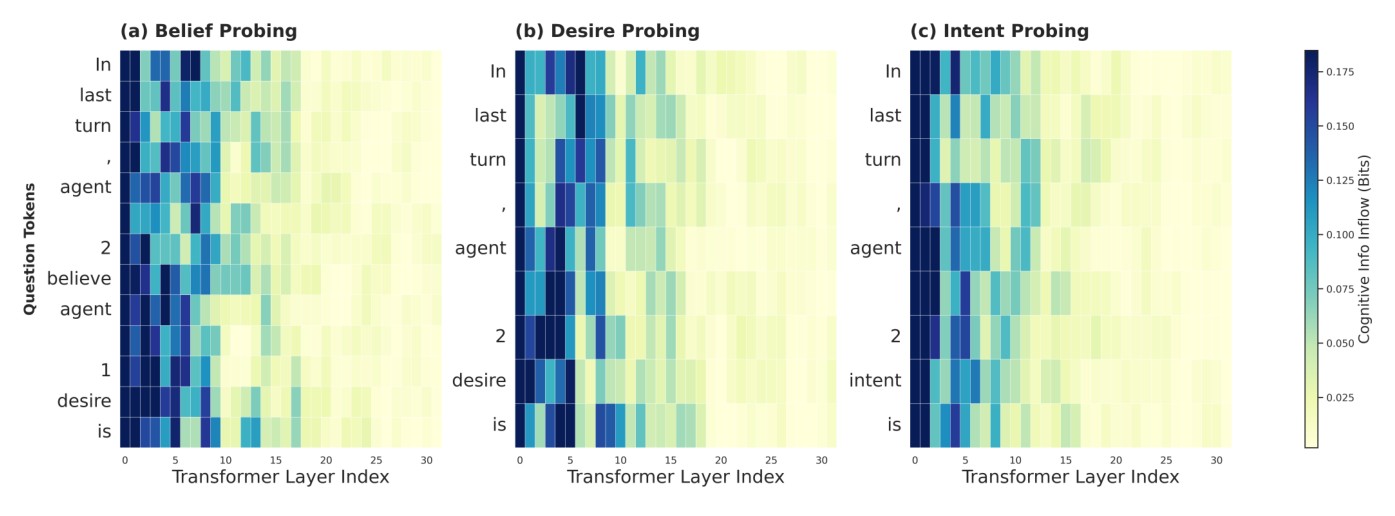
Figure 7: Layer-wise probing results on NegotiationToM with Llama3.
图 7:Llama-3 在 NegotiationToM 上的逐层探测结果。
Figure 7 demonstrates the layer-wise results on the NegotiationToM dataset with Llama-3 model. We conduct layer-wise robing by training linear classification on hidden representation to predict ToM categories. Following Ju et al. (2024), we use -usable information rather than raw accuracy to measure knowledge decodability. High -usable values indicate a high concentration of accessible ToM-specific knowledge at a particular layer.
图 7 展示了 Llama-3 模型在 NegotiationToM 数据集上的逐层结果。我们通过在隐藏表征上训练线性分类来预测 ToM 类别,从而进行逐层探测。沿用 Ju et al. (2024),我们用 -可用信息而非原始准确率来衡量知识的可解码性。-可用值高,表明某一层中可访问的 ToM 特有知识较为集中。
Appendix C Effectiveness of CoSToM (RQ2)
附录 C CoSToM 的有效性(RQ2)
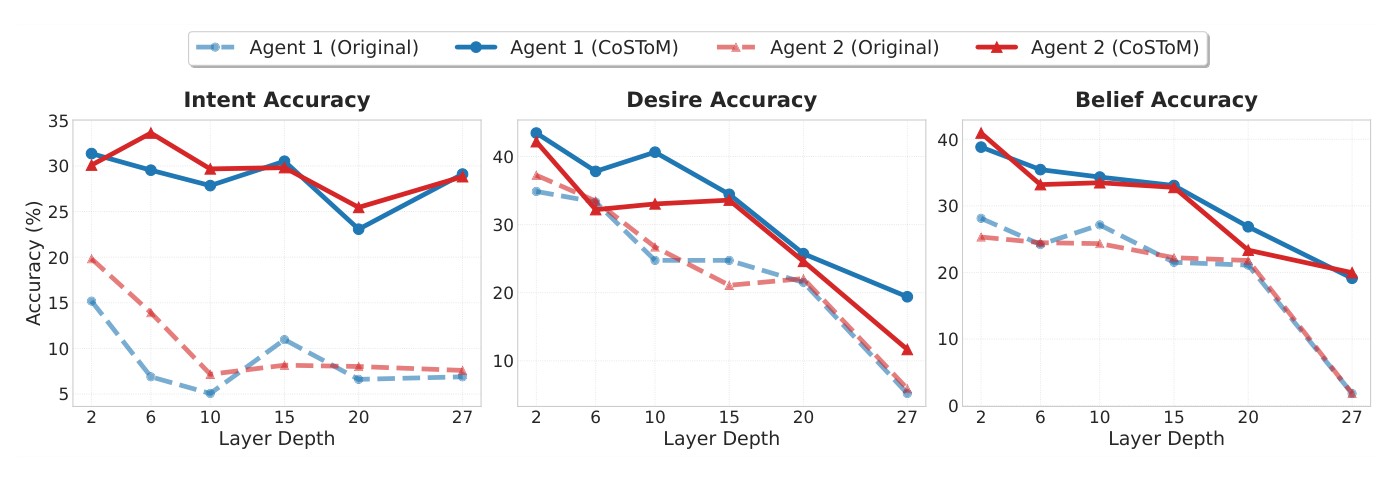
Figure 8: Layer-wise reconstruction accuracy on the Negotiation dataset (Qwen2.5).
图 8:谈判数据上的逐层重建准确率(Qwen2.5)。
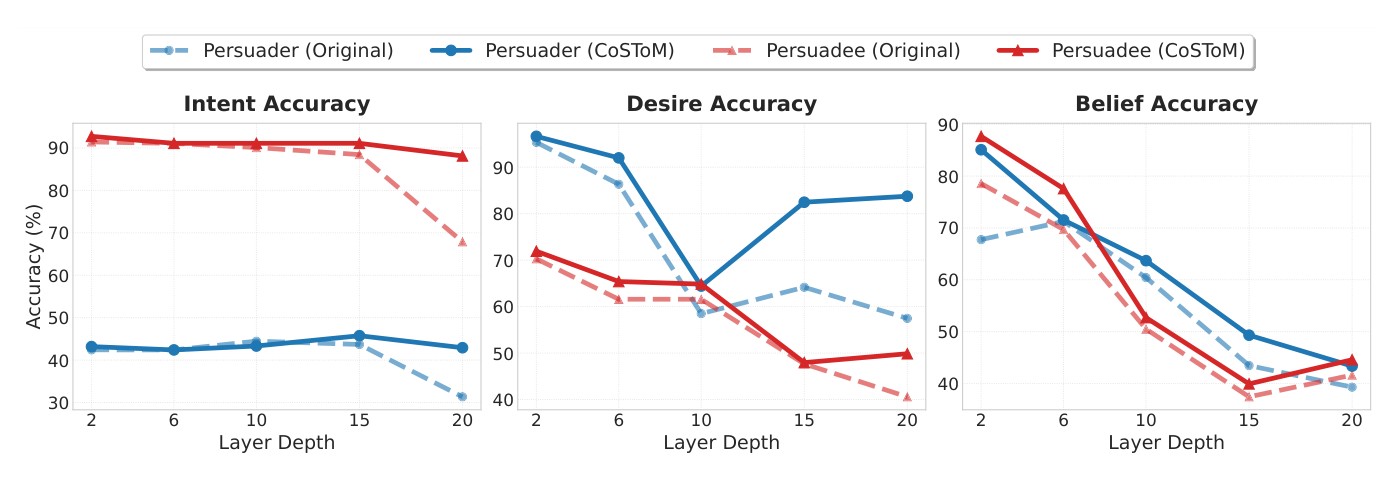
Figure 9: Layer-wise reconstruction accuracy on the PersuasiveToM dataset (Qwen2.5).
图 9:PersuasiveToM 数据上的逐层重建准确率(Qwen2.5)。
To demonstrate the architectural robustness of CoSToM, Figure 8 and 9 illustrate the impact of causal-oriented steering on the Qwen2.5 model. These visualizations confirm the effectiveness of CoSToM in mitigating representation collapse and enhancing the BDI decodability generalizes across different LLM families.
为说明 CoSToM 在架构上的稳健性,图 8 和图 9 展示了面向因果的导向对 Qwen2.5 模型的影响。这些可视化证实,CoSToM 在缓解表征塌缩、提高 BDI 可解码性上的效力,可以推广到不同的 LLM 家族。
Appendix D Comparative Analysis of Dialogue Generation (RQ3)
附录 D 对话生成的对比分析(RQ3)
| Method | Judge: Llama-3.3-70B ToM | Coh. | PSE | Judge: GPT-5.1 ToM | Coh. | PSE | Judge: Human ToM | Coh. | PSE |
|---|---|---|---|---|---|---|---|---|---|
| Base Model: Llama-3-8B-Instruct | |||||||||
| Prompting Baselines | |||||||||
| Zero-shot Baseline | 0.104 | 0.433 | 0.199 | 0.259 | 0.783 | 0.529 | 0.165 | 0.520 | 0.310 |
| MindDial (prompt) Qiu et al. (2024) | 0.451 | 0.554 | 0.485 | 0.374 | 0.478 | 0.377 | 0.385 | 0.535 | 0.420 |
| Tuning & Intervention | |||||||||
| MindDial (Fine-tuned) Qiu et al. (2024) | 0.643 | 0.720 | 0.645 | 0.610 | 0.747 | 0.600 | 0.590 | 0.685 | 0.615 |
| Full-Layer LoRA | 0.628 | 0.798 | 0.651 | 0.367 | 0.864 | 0.729 | 0.485 | 0.790 | 0.670 |
| LatentQA Jafari et al. (2025) | 0.255 | 0.324 | 0.269 | 0.300 | 0.504 | 0.298 | 0.275 | 0.440 | 0.285 |
| CoSToM (Ours) | 0.797 | 0.811 | 0.757 | 0.703 | 0.807 | 0.744 | 0.715 | 0.805 | 0.740 |
| Base Model: Qwen2.5-7B-Instruct | |||||||||
| Prompting Baselines | |||||||||
| Zero-shot Baseline | 0.109 | 0.431 | 0.190 | 0.227 | 0.788 | 0.522 | 0.145 | 0.515 | 0.305 |
| MindDial (prompt) Qiu et al. (2024) | 0.442 | 0.560 | 0.455 | 0.586 | 0.667 | 0.596 | 0.495 | 0.610 | 0.515 |
| Tuning & Intervention | |||||||||
| MindDial (Fine-tuned) Qiu et al. (2024) | 0.643 | 0.720 | 0.645 | 0.645 | 0.723 | 0.670 | 0.635 | 0.715 | 0.655 |
| Full-Layer LoRA | 0.654 | 0.802 | 0.636 | 0.343 | 0.817 | 0.678 | 0.445 | 0.795 | 0.660 |
| LatentQA Jafari et al. (2025) | 0.671 | 0.751 | 0.681 | 0.630 | 0.773 | 0.638 | 0.640 | 0.765 | 0.645 |
| CoSToM (Ours) | 0.802 | 0.811 | 0.713 | 0.746 | 0.888 | 0.812 | 0.760 | 0.840 | 0.795 |
Table 5: Dialogue generation quality on the PersuasiveToM dataset (N = 200). CoSToM achieves the highest scores across nearly all metrics, validating its ability to enhance persuasive dialogue quality.
| 方法 | 评委:Llama-3.3-70B ToM | 连贯性 | PSE | 评委:GPT-5.1 ToM | 连贯性 | PSE | 评委:人工 ToM | 连贯性 | PSE |
|---|---|---|---|---|---|---|---|---|---|
| 基座模型:Llama-3-8B-Instruct | |||||||||
| 提示基线 | |||||||||
| 零样本基线 | 0.104 | 0.433 | 0.199 | 0.259 | 0.783 | 0.529 | 0.165 | 0.520 | 0.310 |
| MindDial(提示) Qiu et al. (2024) | 0.451 | 0.554 | 0.485 | 0.374 | 0.478 | 0.377 | 0.385 | 0.535 | 0.420 |
| 调参与干预 | |||||||||
| MindDial(微调) Qiu et al. (2024) | 0.643 | 0.720 | 0.645 | 0.610 | 0.747 | 0.600 | 0.590 | 0.685 | 0.615 |
| 全程 LoRA | 0.628 | 0.798 | 0.651 | 0.367 | 0.864 | 0.729 | 0.485 | 0.790 | 0.670 |
| LatentQA Jafari et al. (2025) | 0.255 | 0.324 | 0.269 | 0.300 | 0.504 | 0.298 | 0.275 | 0.440 | 0.285 |
| CoSToM(本文) | 0.797 | 0.811 | 0.757 | 0.703 | 0.807 | 0.744 | 0.715 | 0.805 | 0.740 |
| 基座模型:Qwen2.5-7B-Instruct | |||||||||
| 提示基线 | |||||||||
| 零样本基线 | 0.109 | 0.431 | 0.190 | 0.227 | 0.788 | 0.522 | 0.145 | 0.515 | 0.305 |
| MindDial(提示) Qiu et al. (2024) | 0.442 | 0.560 | 0.455 | 0.586 | 0.667 | 0.596 | 0.495 | 0.610 | 0.515 |
| 调参与干预 | |||||||||
| MindDial(微调) Qiu et al. (2024) | 0.643 | 0.720 | 0.645 | 0.645 | 0.723 | 0.670 | 0.635 | 0.715 | 0.655 |
| 全程 LoRA | 0.654 | 0.802 | 0.636 | 0.343 | 0.817 | 0.678 | 0.445 | 0.795 | 0.660 |
| LatentQA Jafari et al. (2025) | 0.671 | 0.751 | 0.681 | 0.630 | 0.773 | 0.638 | 0.640 | 0.765 | 0.645 |
| CoSToM(本文) | 0.802 | 0.811 | 0.713 | 0.746 | 0.888 | 0.812 | 0.760 | 0.840 | 0.795 |
表 5:PersuasiveToM 数据集上的对话生成质量(N = 200)。CoSToM 在几乎全部指标上取得最高分,验证了它提高说服对话质量的能力。
We provide a comprehensive comparison between CoSToM and five baselines methods regarding dialogue generation quality on the PersuasiveToM dataset. Detailed performance results are documented in Table 5.
我们就 PersuasiveToM 数据集上的对话生成质量,对 CoSToM 与五条基线方法做了全面比较。详细结果见表 5。
Appendix E Task-specific Instruction Prompt
附录 E 任务指令提示
We employ different prompting strategies tailored to the architectural requirements of the evaluation methods.
我们针对各评估方法的架构要求,采用不同的提示策略。
Baseline Paradigms (Zero-shot and Full-Layer LoRA): For these single-model baselines, we concatenate the dialogue history and the instruction prompt into a single input sequence.
基线范式(零样本与全程 LoRA):对于这些单模型基线,我们把 对话历史 和 指令提示 拼接成一条输入序列。
Dual-model Framework (CoSToM and LatentQA): In our dual-model setting, we decouple the inputs: the dialogue history is fed into the context encoder for mental state representation, while the task-specific instruction prompt is provided to the decoder to guide the response generation. Thus, as a plug-and-play module, CoSToM-enhanced model can be adapted into diverse downstream interaction tasks.
双模型框架(CoSToM 与 LatentQA):在双模型设定中,我们把输入拆开:对话历史 送入语境编码器以得到心理状态表征,任务特定的 指令提示 则提供给解码器以指导回复生成。因此,作为即插即用模块,经 CoSToM 增强的模型可以适配到多样的下游互动任务。
Two-stage Pipeline (MindDial): MindDial Qiu et al. (2024) follows an inference-then-generation pipeline. In stage 1, the model reason over the BDI states based on the dialogue history to produce ToM analysis results. In stage 2, these results are integrated into the system prompt to generate the final response.
两阶段流水线(MindDial):MindDial Qiu et al. (2024) 遵循 先推断、再生成 的流水线。第一阶段,模型根据对话历史对 BDI 状态进行推理,产生 ToM 分析结果。第二阶段,这些结果被写入系统提示,以生成最终回复。
Instruction Prompt Example (Negotiation Task):
指令提示示例(谈判任务):
You are an agent in a cooperative negotiation about trip resources (Food, Firewood, Water). Based on the conversation history, give the next utterance, considering the other agent’s desires, believes, and intends, even those are not explicitly stated. Respond in a way that shows you understand their perspective and reaches a agreement.
你是一个合作谈判中的智能体,谈判内容是旅行资源(食物、柴火、水)。根据对话历史给出下一句话语,并考虑对方智能体的欲望、信念和意图,即使这些并未被明确说出。回复应当表现出你理解对方的视角,并促成一项协议。
Instruction Prompt Example (Persuasive Task):
指令提示示例(说服任务):
You are the persuader in a two-person dialogue. Your goal is to generate the next response in the conversation to successfully persuade the other person (the persuadee). Based on the conversation history, infer the persuadee’s desires, believes, and intends, craft a single, continuous persuasive response.
你是一段双人对话中的劝说者。你的目标是生成下一句回复,以成功说服对方(被劝说者)。根据对话历史,推断被劝说者的欲望、信念和意图,写出一条连贯的说服性回复。
Appendix F Dialogue Generation Evaluation Rubrics
附录 F 对话生成评估细则
To ensure a rigorous and reproducible assessment of the generated dialogues, we utilize expert-designed rubrics across three functional axes, and each response is independently adjudicated on a to scale by the automated LLM evaluator. Below we provide the detailed prompt template and scoring criteria.
为确保对生成对话进行严格、可复现的评估,我们沿三个功能轴使用由专家设计的评分细则,每条回复由自动 LLM 评估器按 到 的量表独立裁定。下面给出详细的提示模板和评分标准。
F.1 Details of Human Evaluation
F.1 人工评估细节
To ensure the high quality of the evaluation, we recruited human annotators. All participants are graduate students in NLP with a strong understanding of conversational systems and Theory-of-Mind concepts. All annotators are proficient in English and were recruited from our internal university network.
为确保评估质量,我们招募了 名人工标注者。所有参与者都是自然语言处理方向的研究生,对对话系统和心智理论概念有较好理解。标注者均精通英语,并从我们校内网络招募。
Before the formal evaluation, we conducted a 30-minute training session to familiarize them with the scoring rubrics and provide anchor examples for each score level. The specific scoring rubrics are identical to those used for the LLM judge as shown in section F.2.
正式评估前,我们进行了 30 分钟培训,让他们熟悉评分细则,并为各分数档提供锚定示例。具体评分细则与第 F.2 节中用于 LLM 评委的细则相同。
For each of the NegotiationToM and PersuasiveToM test sets, we randomly sample and dialogues, respectively, stratified by interaction stage (beginning : middle : final = ). For each instance, annotators were presented with:
对于 NegotiationToM 和 PersuasiveToM 测试集,我们分别随机抽样 和 段对话,并按互动阶段分层(开头 : 中间 : 结尾 = )。对每个实例,标注者会看到:
Dialogue History: The full context of the interaction.
对话历史:互动的完整上下文。
Model Responses: Anonymized and randomized responses generated by CoSToM and baselines. The order of the models was shuffled for each instance to eliminate position bias.
模型回复:由 CoSToM 和各基线生成的、经过匿名化和随机排列的回复。每个实例中模型的顺序都被打乱,以消除位置偏差。
To validate the reliability of the human scores, we calculated the inter-annotator agreement using Fleiss’ Kappa Fleiss (1971). The average Kappa scores across the three metrics were: ToM Reasoning Quality: , Contextual Coherence: , Strategy Effectiveness: . These values indicate a substantial level of agreement among the annotators, confirming the robustness of our human evaluation results.
为验证人工分数的可靠性,我们用 Fleiss’ Kappa Fleiss (1971) 计算标注者间一致性。三项指标的平均 Kappa 为:ToM 推理质量:,上下文连贯性:,策略有效性:。这些数值表明标注者之间达到了相当程度的一致,从而确认了人工评估结果的稳健性。
F.2 LLM-as-a-Judge Instruction
F.2 LLM-as-a-Judge 指令
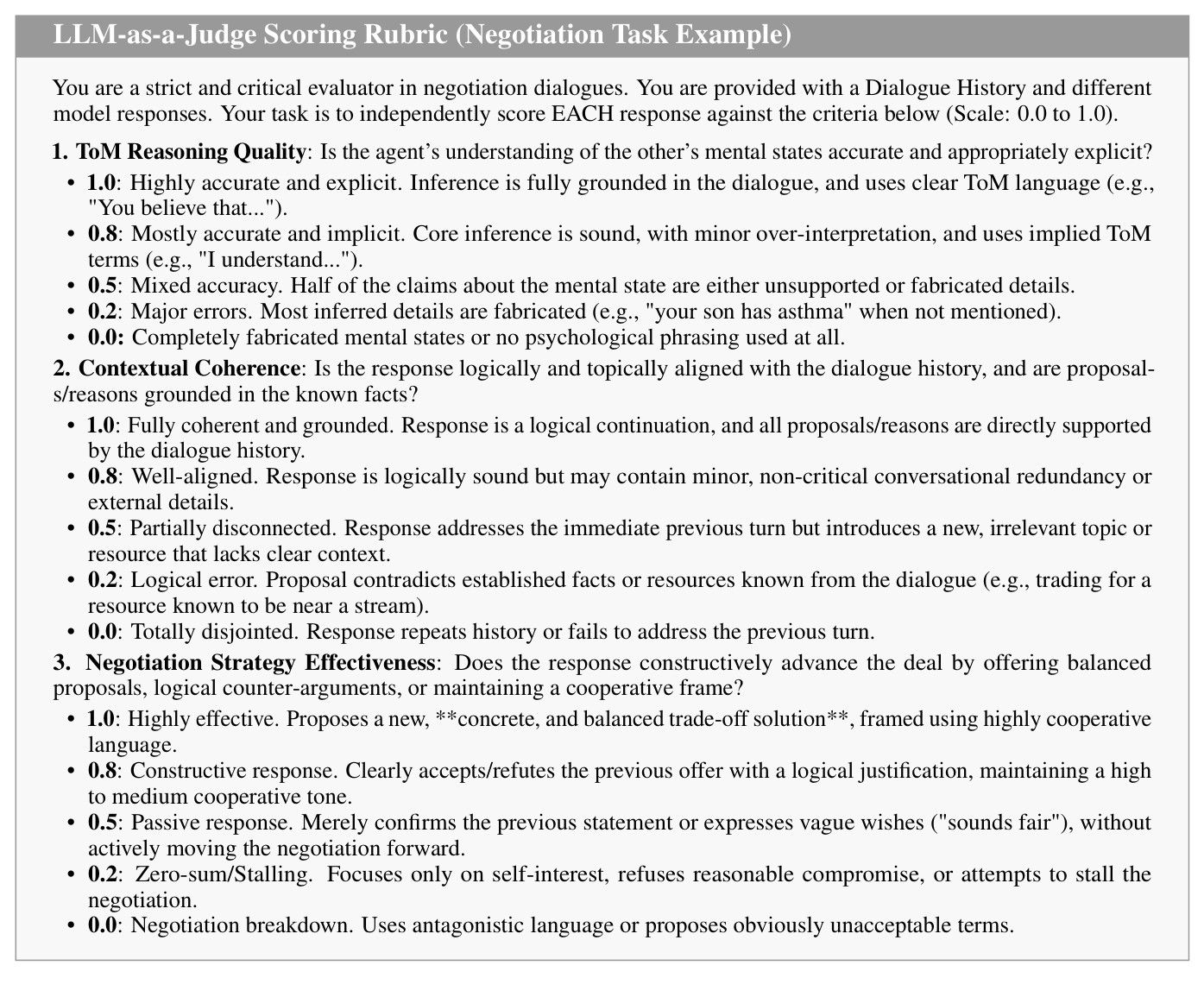
Figure 10: LLM-as-a-Judge Scoring Rubric for Negotiation Task.
图 10:谈判任务的 LLM-as-a-Judge 评分细则。
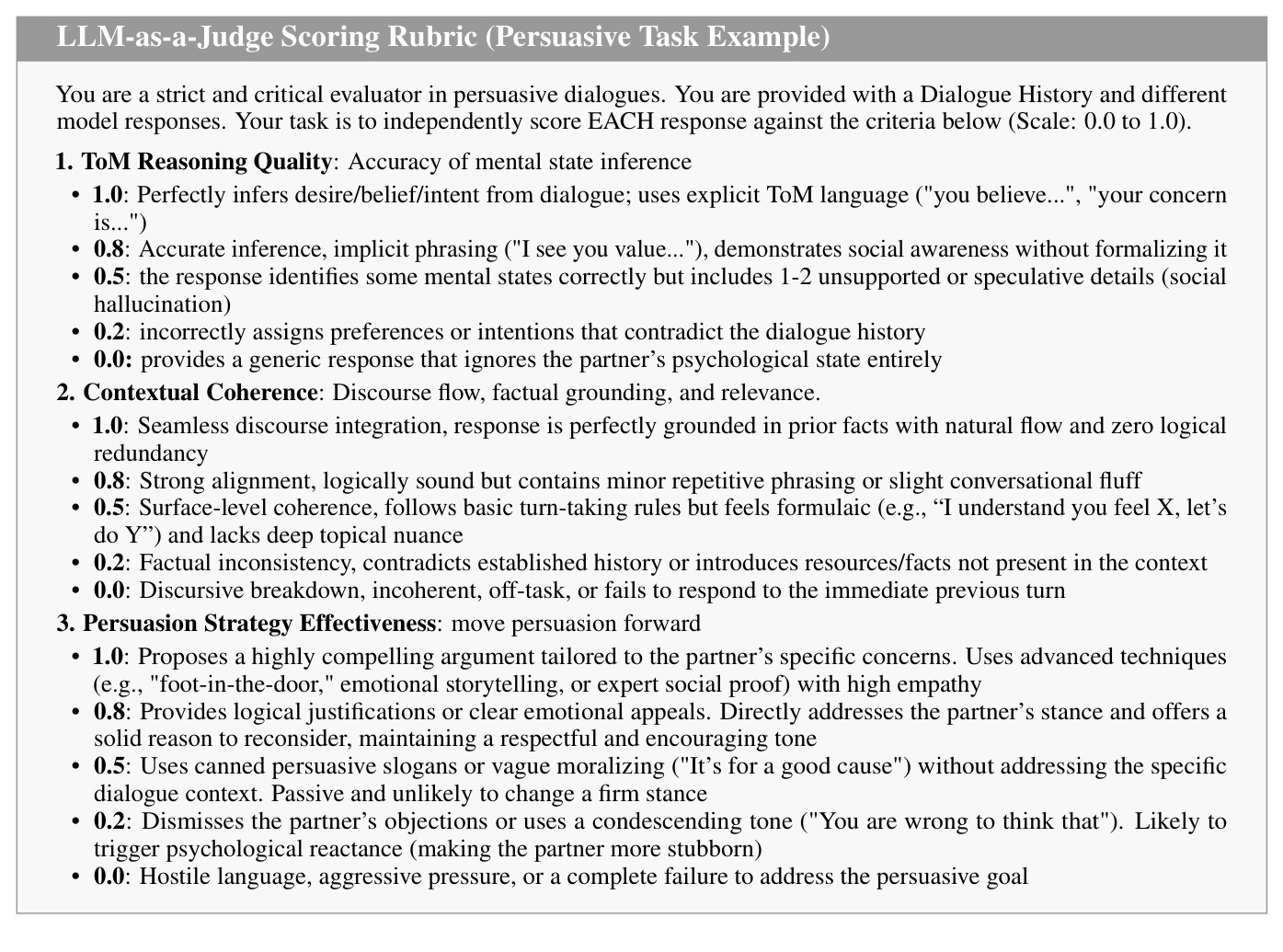
Figure 11: LLM-as-a-Judge Scoring Rubric for Persuasive Task.
图 11:说服任务的 LLM-as-a-Judge 评分细则。
Figure 10 and 11 present the detailed evaluation rubrics and prompting instructions for the LLM-as-a-Judge framework on the negotiation and persuasion tasks, respectively.
图 10 和图 11 分别给出谈判任务和说服任务上,LLM-as-a-Judge 框架的详细评分细则与提示指令。